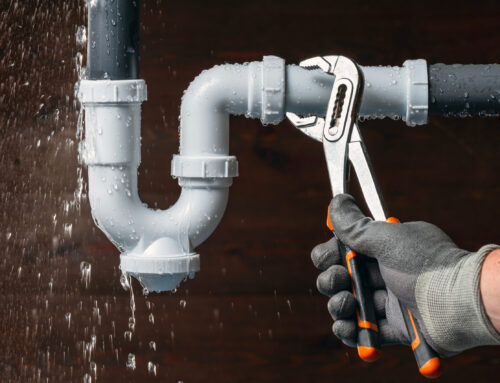


Sewer smell in a bathroom: quick checks before it gets worse
Why sewer smells show up and why you should act fast
If you notice a sewer smell in bathroom spaces, do not ignore it. That odor can be a sign of dry traps, a loose toilet seal, a blocked vent, or a problem in your sewer line. The sooner you check, the easier the fix. A quick inspection can save you time, prevent water damage, and protect your indoor air quality. Sewer gas can contain hydrogen sulfide and methane, which are unpleasant at low levels and dangerous at high levels. If the odor is strong, open a window, run the exhaust fan, and begin the simple checks below. If you suspect a natural gas leak that smells like rotten eggs, leave the area and call your gas utility right away. For plumbing-related odors, use this guide and call Watertight Plumbing if you need expert help.
Top causes of sewer smell in bathroom areas
Most bathroom sewer odors come from one of a few common issues. The good news is that many are easy to check in minutes. Focus on these likely sources first.
Dry or empty P-traps
Your bathroom sink, shower, tub, and floor drain each have a P-trap that holds water to block sewer gas. When a fixture is not used often, that water can evaporate. Airflow from venting problems can also siphon the trap dry. A dry trap is the number one reason people notice a sewer smell in bathroom spaces, especially after vacations or in guest bathrooms.
Fast fix: Run water into each drain for 10 to 15 seconds to refill the trap. For fixtures that sit unused, add a tablespoon of mineral oil to slow evaporation. If the smell disappears after refilling the trap, you found the issue.
- Check these spots: sink, tub, shower, bidet, and nearby floor drains.
- Watch for gurgling as water drains, which can suggest venting trouble that is pulling trap water out.
Floor drains and trap primers
Some bathrooms and adjacent mechanical rooms have a floor drain. These can dry out and let sewer gas into the room. Many floor drains are connected to a trap primer, which is a small line that automatically feeds water into the trap. If the primer is not working, the trap can run dry without you noticing.
- Shine a flashlight into the floor drain. If you cannot see water at the bottom, pour in a quart of water and a tablespoon of mineral oil.
- Look for a small tube feeding the drain. Run a nearby sink or flush the toilet to see if it adds water to the drain. If not, the primer may need repair or replacement.
- If the trap dries again within days, consider having a trap primer installed or serviced by Watertight Plumbing.
Toilet wax ring and flange issues
A loose or failed wax ring at the base of the toilet can let sewer gas escape. This is common if the toilet rocks, the flange sits too low, or there has been movement from a recent floor remodel. You may notice the smell is strongest near the base of the toilet. You might also see slight moisture around the base after flushing.
- Gently try to rock the toilet. Any movement is a problem. Tighten the closet bolts if they are loose, but do not overtighten and crack the base.
- Check for staining or moisture around the base after a few flushes. If you see it, the wax ring likely needs replacement.
- Replacing a wax ring is a moderate DIY job, but subfloor rot or a damaged flange requires a pro. Watertight Plumbing can reset the toilet, repair the flange, and reseal the base.
Biofilm buildup in sink, shower, or tub
Sometimes the smell is not sewer gas at all. Organic buildup in the drain or overflow channel can create a rotten odor that imitates sewer smell. Hair, soap scum, toothpaste, and bacteria can turn into a smelly biofilm. If the odor is strongest at the sink overflow or when you run water, this is a likely cause.
- Remove the sink stopper and clean it. Use a brush to scrub the drain walls and the overflow opening.
- Pour a pot of hot water down the drain, followed by a cup of baking soda and a cup of white vinegar. Let it sit 10 minutes, then flush with hot water. Do not mix vinegar with bleach or ammonia.
- For showers and tubs, remove and clean the drain cover, then treat the drain with an enzyme cleaner. Repeat monthly as needed.
Venting problems and blocked roof vents
Your plumbing system needs air to flow through vent pipes. If the vent is blocked by leaves, nests, frost, or debris, drains can gurgle and traps can siphon dry. Venting problems can make a sewer smell in bathroom areas show up after big draining events, like emptying a tub or running the washing machine.
- Listen for gurgling when water drains. That is a sign of venting trouble.
- Look at the roof vent from the ground with binoculars. Check for obvious blockages. Stay off the roof unless you are trained and the conditions are safe.
- If the smell persists, a professional smoke test or camera inspection can pinpoint hidden issues. Watertight Plumbing offers both diagnostics and repairs.
Loose cleanout caps and test plugs
Bathrooms sometimes have wall or floor cleanouts to access the drain line. If a cleanout cap is loose or the gasket is worn, sewer gas can leak. Inspect any visible cleanout caps and tighten them by hand. Replace cracked caps and gaskets as needed.
Condensate and sump connections
Furnace or air conditioner condensate lines and sump pump discharge lines should not connect directly to a drain without an air gap. A missing trap or improper connection can let odors enter. Make sure condensate lines have a proper trap and do not bypass the air barrier. If you are unsure, Watertight Plumbing can correct the setup.
Unused bathrooms and vacation homes
Guest bathrooms and seasonal properties in Lake County and Kenosha County often sit unused for weeks. P-traps evaporate faster in winter because indoor air is dry and heated. Before leaving for a trip, run water in every drain, add a tablespoon of mineral oil, and shut the door to reduce airflow. When you return, run the water again to refresh the traps.
Quick fixes you can try today
- Run water in every fixture to refill traps. Include the floor drain if present.
- Clean sink and tub stoppers, drain covers, and overflow channels to remove biofilm.
- Tighten toilet bolts slightly and check for rocking. If it moves, plan for a wax ring replacement.
- Check for a loose cleanout cap and tighten it. Replace the cap if cracked.
- Use an enzyme drain cleaner monthly to limit odor-causing buildup. Avoid frequent use of harsh chemical drain cleaners.
- Ventilate the bathroom with the exhaust fan during and after showers.
- Add mineral oil to rarely used traps to slow evaporation.
When a sewer smell points to a bigger problem
If quick checks do not solve the sewer smell in bathroom areas, you may have a more serious issue that needs professional attention.
- Multiple fixtures smell at the same time, or the odor spreads to other rooms.
- Recurring gurgling, frequent trap siphoning, or slow drains throughout the home.
- Wet spots near the toilet base, or a toilet that rocks even after tightening bolts.
- Sewage backing up into a tub, shower, or floor drain, especially after heavy rain.
- Sign of a broken or offset sewer line, such as foundation cracks, settlement, or frequent clogs.
- Tree roots in older sewer lines, which are common in established neighborhoods.
- Septic system issues, including a full tank or a clogged vent filter, if you are on septic.
Why homeowners trust Watertight Plumbing
Water Tight Plumbing and Sewer, known locally as Watertight Plumbing, is a family-owned team with more than 30 years of experience serving Lake County, IL, and Kenosha County, WI. We are licensed, bonded, and insured, and we provide 24-hour emergency service for homes and businesses. From fast sewer cleaning to expert vent diagnostics, we make it simple to solve bathroom odor problems the right way.
- Emergency Plumbing: Rapid response for sewer backups, gas leaks, burst pipes, and water heater failures.
- Plumbing Installation and Repair: Water lines, sump pumps, fixtures, toilets, and more.
- Sewer Services: Camera inspections, rodding, drain cleaning, smoke testing, and line repairs.
- Water Heater Services: Installation and maintenance for gas, electric, and tankless systems.
- Sump Pump Solutions: Installations, repairs, and battery backup systems.
- New Construction and Remodeling: Plumbing upgrades for homes and businesses.
We serve Kenosha, Zion, Waukegan, Gurnee, Libertyville, and nearby communities with fast, reliable service. Call Watertight Plumbing at 847-623-6810 for Lake County or 262-484-4520 for Kenosha County. We arrive prepared, diagnose quickly, and stand behind our work.
Prevention tips to keep your bathroom fresh
Once you have cleared the sewer smell in bathroom spaces, keep odors away with simple habits.
- Run every fixture weekly, including showers, tubs, and floor drains. Refill traps often in guest baths.
- Add a tablespoon of mineral oil to rarely used traps to slow evaporation.
- Clean stoppers and overflow channels monthly to remove biofilm.
- Use a high-quality enzyme drain treatment once a month. Avoid mixing cleaners and never mix bleach with vinegar or ammonia.
- Do not flush wipes, paper towels, or hygiene products, even if labeled flushable.
- Check that the bathroom exhaust fan works and vent it outdoors, not into the attic.
- Install or maintain trap primers for floor drains in basements, laundry rooms, and utility areas.
- Inspect the toilet for movement every few months. Reseat and reseal if needed.
- Keep roof vents clear. After storms, check from the ground for visible obstructions. Hire a pro if you suspect a blockage.
- Set your water heater to about 120 degrees Fahrenheit to limit bacteria while preventing scalding.
- Maintain sump pumps and consider a battery backup to prevent flooding that can lead to sewer odors.
Seasonal checklist for Lake County and Kenosha County homes
- Winter: Indoor air is dry, which speeds trap evaporation. Refill traps often. Vent stacks can frost over in extreme cold. Watch for gurgling and odors after very cold nights.
- Spring: Heavy rains can stress municipal sewers and private laterals. Test your sump pump and keep floor drains primed. Call Watertight Plumbing if drains gurgle or back up during storms.
- Summer: Vacation schedules can leave bathrooms unused. Before you leave, run water in all fixtures and add mineral oil to traps. On return, flush all drains and run the fan.
- Fall: Leaves and debris can clog roof vents. Have a safe inspection done by a professional. Clear gutters so water stays away from your foundation and sewer lateral.
FAQ: common questions about sewer smell in bathroom
Why do I smell sewer during or after rain?
Heavy rain can create pressure changes in your plumbing that pull water from traps if venting is not ideal. Groundwater can also enter damaged sewer lines and cause backups or odors. If the smell follows storms or if drains bubble, have a camera inspection done by Watertight Plumbing to check your lateral and venting.
Is sewer gas dangerous?
In small amounts it is mostly a nuisance, but it can cause headaches, nausea, or eye irritation. In higher concentrations it can be dangerous. If the odor is strong or you feel ill, get fresh air and call a professional. If you think the odor is natural gas, leave the building and call your gas utility right away.
How long does it take a P-trap to dry out?
It depends on temperature, humidity, and airflow. In a heated winter home, an unused trap can dry in a week or two. In humid weather it may take longer. Add a tablespoon of mineral oil to slow evaporation if a fixture sits unused.
Can I use bleach or drain cleaner to remove the smell?
You can use bleach carefully to disinfect a biofilm odor, but never mix it with vinegar or ammonia. For routine maintenance, enzyme cleaners are safer for your plumbing and better for septics. Avoid frequent use of harsh chemical drain cleaners, which can damage pipes and traps.
What if I have a septic system?
Odors can come from a full tank, a clogged filter, or a vent issue. Make sure septic vents are clear and schedule regular pumping. If you are unsure whether you have septic or municipal sewer, Watertight Plumbing can help identify your setup and provide the right service.
A simple troubleshooting flow to find the source
- Does the smell fade after running water in all fixtures? If yes, a dry trap was the cause.
- Does the odor seem strongest at the sink or tub when water runs? Clean the stopper, drain, and overflow. Use an enzyme cleaner.
- Is the smell strongest near the toilet base or does the toilet rock? Plan for a wax ring replacement.
- Do you hear gurgling or see slow draining in several fixtures? Check roof vents from the ground and call for a vent diagnostic.
- Do you have a floor drain with no visible water? Prime it with water and mineral oil. Consider a trap primer.
- Do odors get worse after storms or when the washing machine drains? Schedule a camera inspection to check for line issues or root intrusion.
Get fast help from Watertight Plumbing
Stop the sewer smell in bathroom spaces before it gets worse. Watertight Plumbing offers same-day service, 24-hour emergency response, and honest pricing. Our licensed, bonded, and insured team serves Kenosha, Zion, Waukegan, Gurnee, Libertyville, and surrounding towns. We diagnose the true cause, fix it right the first time, and keep your home protected. Call 847-623-6810 for Lake County or 262-484-4520 for Kenosha County. If you have standing water, repeated clogs, or a strong odor you cannot trace, contact us now. We are ready to help you breathe easy again.
With the quick checks in this guide and the support of a trusted local pro, you can eliminate a sewer smell in bathroom areas and keep it from returning. When you need expert diagnostics, precise repairs, or preventive upgrades, choose Watertight Plumbing. We have helped families and businesses for more than 30 years, and we are proud to serve our community with clean, reliable plumbing solutions every day.