

Why You Notice a Sewer Smell in Basement After Rain
If you catch a strong sewer smell in the basement after rain, you are not alone. Heavy rainfall can push a plumbing system to its limits. Extra water in the municipal sewer, sudden pressure changes in drain lines, and minor defects in your home plumbing can all let sewer gas escape. The odor is not only unpleasant. It can also be a sign that a drain, vent, trap, or sewer line needs attention. In this guide, the licensed pros at Watertight Plumbing explain why this happens, how to fix it fast, and what to do to prevent it before the next storm.
How Rain Affects Your Plumbing System
Rain can change how air and water move through your plumbing. When a storm sends lots of water into city sewers, the extra flow can increase pressure in your main line. If a vent is clogged or a trap is empty, that pressure pushes sewer gas back toward the house. Even if your basement did not flood, you can still get an odor because sewer gas needs only the smallest gap to escape.
Common Sources of Sewer Gas in Basements After Storms
- Dry or siphoned traps. Floor drains, laundry tubs, and basement showers often go unused. During a storm, pressure changes can siphon water out of traps. Without water sealing the trap, sewer gas enters the room.
- Faulty floor drain or missing trap primer. A floor drain without a working trap primer dries out quickly, especially in heated spaces. That open trap is a direct path for odors.
- Loose cleanout caps. A cracked or loose cleanout plug on a drain stack or main line can leak gas when the system is under stress.
- Blocked roof vents. Leaves, nests, snow, or ice can block the roof vent. With no venting, fixtures can gurgle and traps can be pulled dry during heavy flows.
- Basement toilet wax ring failure. A worn wax ring or loose toilet flange allows gas to seep at the base, especially after flushing surges during rain.
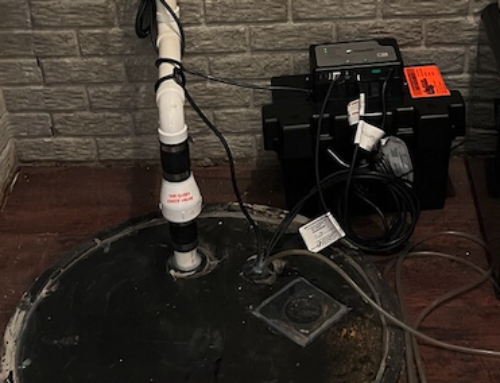
- Seepage into the ejector pump pit. A sewage ejector pit must be sealed and vented correctly. A missing lid gasket or bad check valve can let odor out.
- Main sewer line partial blockage. Tree roots, grease, or scale restrict the pipe. Rain adds more flow, which pushes gas toward any weak spot.
- Sump pit cross connection. If a sump pit or drain tile is incorrectly tied into sanitary lines, odors can spread through the basement when the sump runs.
- Cracked or offset sewer lateral. Older clay or cast iron laterals can crack. With rain, groundwater and odors can move through defects and into the home.
- Septic system overload. For homes on septic, saturated soil after storms can push odors back through the house drains.
Is Sewer Gas Dangerous?
Yes, sewer gas can be harmful. It may contain hydrogen sulfide, methane, and ammonia. At low levels, these gases cause headaches, nausea, burning eyes, and fatigue. At high levels in enclosed spaces, they can be hazardous. Most basement odors are low level and short lived, but you should still act quickly. If you ever feel dizzy or lightheaded, step outside for fresh air and call a professional.
Quick Fixes You Can Try Today
Many cases of a sewer smell in basement after rain come from a simple cause. These steps can often clear the odor in minutes and help you figure out if you need a plumber.
10 Minute Checklist to Clear the Smell
- Refill every trap. Pour at least 2 cups of water into each basement floor drain, shower, and laundry tub drain. Then add 1 tablespoon of mineral oil to each trap to slow evaporation.
- Prime unused fixtures. Run water in seldom used sinks, tubs, and laundry hookups for 30 seconds to refill traps.
- Inspect cleanout caps. Hand tighten any removable caps on drain stacks and near the floor. Replace cracked caps.
- Check the toilet base. Gently rock the toilet. If it moves or you see staining, the wax ring may be failing. Tighten bolts lightly to stop movement.
- Look at the ejector pit lid. Make sure the lid is gasketed, bolted down, and the vent pipe is firmly attached. Replace worn foam gaskets.
- Sniff the floor drain. If the smell is strongest there, the trap was likely dry. After refilling, sprinkle a small amount of household baking soda around the grate to help absorb odor.
- Run the exhaust fan. Increase ventilation in the basement to clear lingering odors.
- Check the sump pump discharge. If the sump hose is connected to sanitary piping, call Watertight Plumbing. It should discharge outdoors or to an approved storm system.
- Go outside and eyeball the roof vent. Look for visible debris or nests. Do not climb if it is unsafe. A plumber can safely clear the vent from the roof or with specialized tools.
- Note any gurgling. Gurgling fixtures signal venting problems or a partial blockage. If gurgling continues, schedule a professional inspection.
Simple Supplies That Help
- Mineral oil to slow trap evaporation
- Baking soda for light odor absorption
- New cleanout caps and plumber’s tape for loose fittings
- Toilet bolt caps and shims to steady a wobbly toilet
Preventing a Sewer Smell Before the Next Storm
Odor prevention is about keeping traps sealed, vents open, and lines clear. A few routine tasks can make a major difference when the rain hits.
Easy Monthly Maintenance
- Pour water into all basement drains. Add a teaspoon of mineral oil after refilling.
- Run every seldom used fixture for one minute to refresh traps.
- Visually check cleanouts, the ejector pit lid, and the sump lid for tight seals.
- Listen for gurgling during normal use. Gurgles are early warnings of vent or drain issues.
- Keep gutters and downspouts clear so storm water flows away from the home, not toward your sewer lateral.
Seasonal Storm Readiness
- Spring and fall vent check. Have a pro inspect and clear roof vents of leaves, nests, or ice damage.
- Sewer line camera every two years. A video inspection catches early root growth and cracks before they cause backups and odors.
- Rodding or hydro jetting as needed. Clearing roots and scale restores proper flow and reduces pressure surges during storms.
- Test pump systems. Check your sump pump and sewage ejector operation. Confirm the check valves are working and discharge lines are open.
- Add a battery backup. A battery backup sump pump keeps water moving during power outages that often come with storms.
How to Tell if You Have a Backup or a Venting Issue
It helps to know whether the problem is a clog, a vent issue, or a dry trap. Look for these clues.
- Signs of a partial or full blockage. Multiple drains are slow, water backs up in the floor drain after running a nearby sink, or there is sewage visible in the drain. Call for service right away.
- Signs of venting trouble. You hear gurgling when you drain a tub or flush a toilet, traps lose water quickly, and the smell is stronger after heavy use or a storm. A vent or partial clog is likely.
- Signs of a dry trap. The smell is strongest at a floor drain or unused shower, but stops for a while after adding water to the trap.
- Signs from the toilet seal. The odor is strongest near the toilet base, especially after flushing. The wax ring may be failing.
- Signs from the ejector pit. The smell grows near the pit, and you notice condensation or moisture around the lid. The lid gasket or vent may be loose.
Professional Solutions From Watertight Plumbing
When a sewer smell in basement after rain keeps returning, it is time for a comprehensive fix. Watertight Plumbing brings more than 30 years of hands on plumbing and sewer expertise to homes and businesses in Lake County, Illinois, and Kenosha County, Wisconsin.
Thorough Sewer Inspections and Cleaning
- Video camera inspections to locate cracks, offsets, and root intrusions
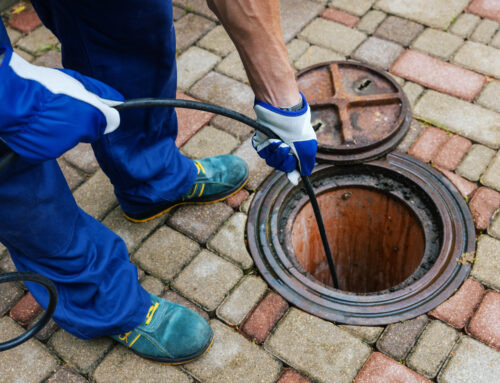
- Professional rodding to clear roots and heavy debris
- Hydro jetting to scour grease and scale from pipe walls
- Smoke testing to locate hidden leaks and vent defects without demolition
- Cleanout repair and replacement to ensure gas tight seals
Drain, Vent, and Fixture Repairs
- Trap primer installation for floor drains that dry out
- Roof vent clearing and vent stack repairs
- Toilet reset with a new wax ring and flange correction
- Replacement of broken or missing cleanout caps
- Correction of improper cross connections between sump and sanitary lines
Sump and Ejector Pump Solutions
- Ejector pit lid replacement with gasketed, sealed covers and correct venting
- Check valve replacement for quiet, reliable performance
- Sump pump installations and battery backup systems for storm resilience
- Pump maintenance to avoid failure during severe weather
Main Line and Lateral Repairs
- Spot repairs or full line replacement for damaged sewer laterals
- Trenchless options where site conditions allow
- Preventive maintenance plans tailored to root prone properties
When to Call a Plumber Right Away
Do not wait if you notice any of the following:
- Sewage or cloudy water visible in a floor drain
- Gurgling and slow drains throughout the home
- Odor that returns within a day of refilling traps
- Persistent smell near a toilet base or the ejector pit
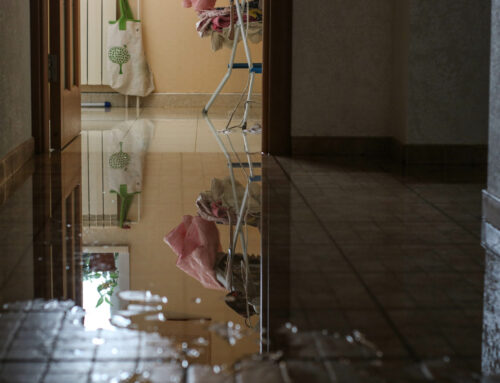
- Basement water after a storm combined with sewer odor
Fast action prevents damage and keeps your family safe. Watertight Plumbing offers 24 hour emergency service to restore your system quickly and safely.
Safe Cleaning Tips and What to Avoid
- Ventilate the space. Use fans and open windows if weather allows.
- Use mild cleaners. A mix of warm water and dish soap cleans grates and surfaces. Avoid mixing bleach with other chemicals.
- Do not pour harsh chemicals into drains. Caustic drain cleaners can damage pipes and are dangerous to handle.
- Wear gloves and eye protection if you are working near drains or pits.
- If the smell is strong and you feel unwell, leave the area and call for help.
Service Areas and 24 Hour Contact
Watertight Plumbing proudly serves Lake County, IL, and Kenosha County, WI, including Kenosha, Pleasant Prairie, Zion, Waukegan, North Chicago, Gurnee, Park City, Beach Park, Lake Villa, Grayslake, Libertyville, and nearby communities. For fast help, call 847-623-6810 for Lake County or 262-484-4520 for Kenosha County.
Frequently Asked Questions
Why do I get a sewer smell in basement after rain but not in dry weather?
Rain adds water to city sewers and your household drains. The surge changes air pressure in the pipes. If a trap is dry, a vent is blocked, or there is a small defect, sewer gas can escape. In dry weather, the system is under less stress and the problem may not show up.
How can I tell if the smell is sewer gas or mold?
Sewer gas smells like rotten eggs or sulfur. Mold smells musty or earthy. If the odor is stronger near drains or when fixtures are used, it is likely sewer gas. If it is strongest near walls or damp materials, it may be mold.
Will pouring bleach into the floor drain help?
Bleach can reduce surface bacteria but it does not fix a dry trap, a blocked vent, or a cracked pipe. Refill traps with water first. If the smell returns, schedule an inspection. Never mix bleach with other cleaners.
Can a sump pump cause sewer odors?
A standard sump pump handles groundwater, not sewage. If you smell sewer near the sump pit, it may be a cross connection or a nearby sanitary issue. The ejector pump pit is the one that can release sewer gas if the lid is not sealed or the vent is faulty.
How often should I service my sewer line?
For homes with trees or older pipes, a camera inspection every two years and rodding as needed prevents most storm related odors and backups. Homes without root issues can inspect less often, but you should act at the first sign of gurgling or slow drains.
About Watertight Plumbing
Water Tight Plumbing and Sewer is a family owned company with more than 30 years of experience. Our team is licensed, bonded, and insured, and we provide round the clock emergency service for both homes and businesses. From emergency plumbing and sewer rodding to sump pump installs and water heater service, Watertight Plumbing is known for fast, reliable work that stands up to Midwest weather. If a sewer smell in basement after rain is bothering you, we are ready to help.
Our Full Range of Services
- Emergency Plumbing. Rapid response for sewer backups, gas leaks, burst pipes, and water heater failures.
- Plumbing Installation and Repair. Water lines, sump pumps, fixtures, toilets, and more.
- Sewer Services. Inspections, rodding, drain cleaning, and line repairs.
- Water Heater Services. Installation and maintenance of gas, electric, and tankless systems.
- Sump Pump Solutions. Installations, repairs, and battery backup systems.
- New Construction and Remodeling. Plumbing upgrades for homes and commercial spaces.
Your Next Step
If you smell sewer gas after a storm, start with the quick checklist to refill traps and tighten caps. If the odor returns or you see any sign of backup, call Watertight Plumbing. We will find the source, fix it correctly, and help you set up a plan to prevent future issues. For fast help in Lake County call 847-623-6810. For fast help in Kenosha County call 262-484-4520. Get peace of mind before the next storm.
Key Takeaways
- A sewer smell in basement after rain often points to dry traps, vent problems, or a partial blockage.
- Refill traps with water and mineral oil, tighten cleanout caps, and check sealed lids to clear many odors fast.
- Persistent odors, gurgling, or any backup need professional service to protect your home.
- Watertight Plumbing serves Lake County, IL, and Kenosha County, WI with 24 hour emergency plumbing and sewer expertise.