
Spring Roots And Your Sewer Line: What Every Homeowner Should Know
As soon as winter thaws and spring rain starts to soak the soil, tree roots wake up and go searching for moisture and nutrients. If there is even a tiny crack or loose joint in your main sewer line, roots can sniff it out and push their way in. The result is slow drains, gurgling toilets, bad odors, and sometimes a full backup into your home. If you live in or around Kenosha or Lake County, this guide will help you spot the early signs and take smart action. When you are ready for help, Watertight Plumbing is your trusted local partner for inspection and sewer line repair Kenosha homeowners rely on to protect their homes.
Why Spring Brings A Surge In Root Intrusions
How Roots Find Your Sewer Line
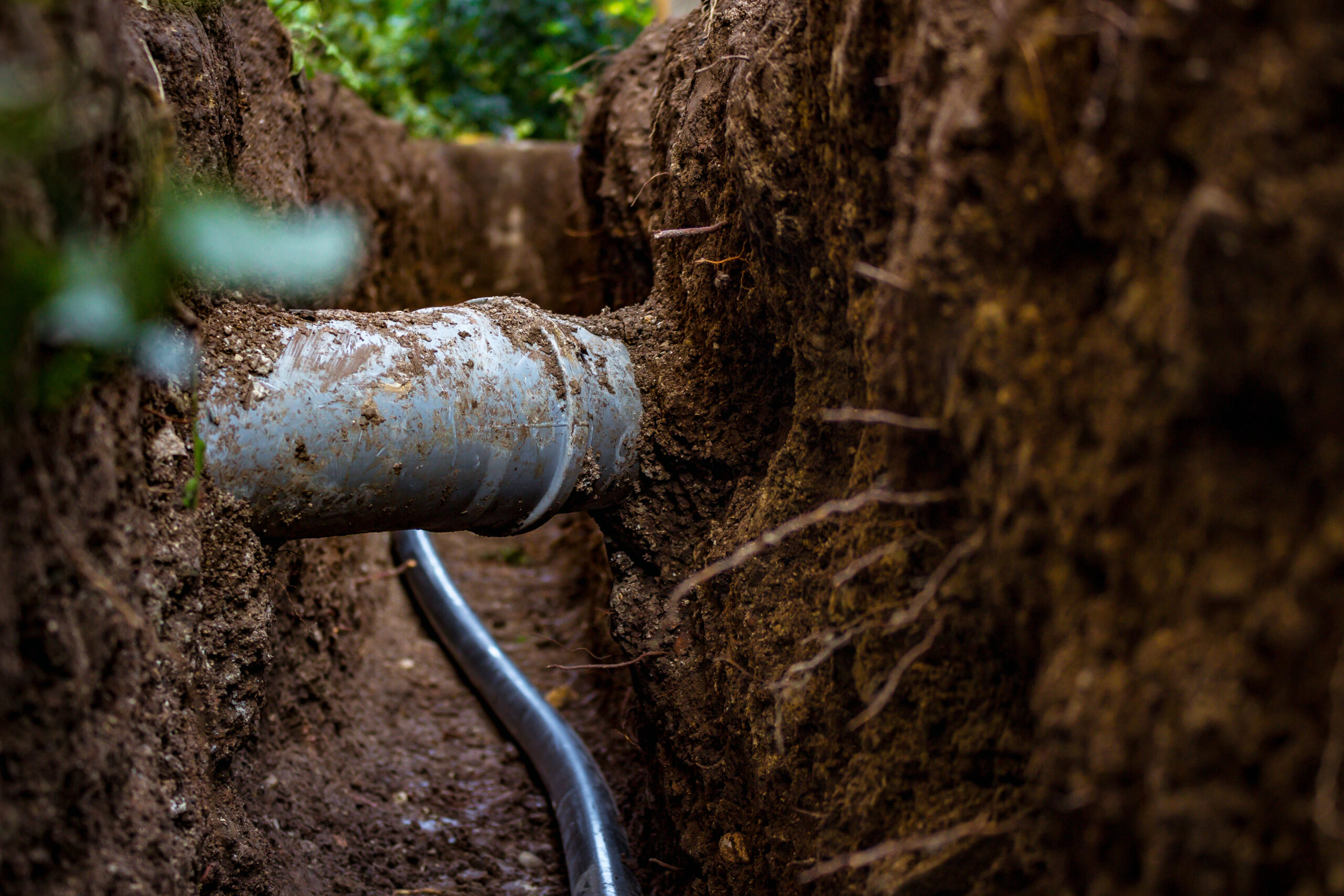
Roots follow moisture and nutrient trails in the soil. Your sewer line releases warm vapor and tiny nutrients through the smallest openings. Clay and cast iron pipes, common in older neighborhoods, often have joints or corrosion points that roots exploit. Even PVC can develop leaks at connections over time. Once roots enter the pipe, they thicken quickly and act like a net that traps toilet paper and waste. This builds into a clog, which can progress to a full blockage if left untreated.
Spring Growth Means Fast Change
In spring, warm temperatures and steady rain accelerate root growth. That means a pipe that seemed fine in winter can turn into a problem in just a few weeks. You might notice minor gurgles early in the season that become frequent clogs by late spring. Quick action helps you avoid water damage and expensive excavation.
Homes At Higher Risk In Kenosha And Lake County
Properties with large, mature trees or older sewer laterals face greater risk. Neighborhoods with original clay or cast iron lines often see more spring root problems. In areas like Kenosha, Zion, and Waukegan, older housing stock is common, and many homes still use vintage laterals that were never lined. If your house was built before the 1990s or you have big maples, willows, poplars, or elms, put spring inspections on your checklist.
12 Clear Signs Tree Roots Are Wrecking Your Main Sewer Line
You do not need to guess. Roots leave patterns that any homeowner can spot. Here are the most common warning signs that you should schedule a sewer inspection and consider sewer line repair Kenosha homeowners use to fix spring root issues fast.
- Multiple slow drains at once. If your tub, shower, and bathroom sink slow down together, the problem is likely in the main line, not just a single fixture trap.
- Toilet gurgling or bubbling. Gurgles after a flush or when other fixtures drain means air is trapped by a partial blockage in the main line.
- Frequent clogs that keep coming back. If you plunge or snake a drain and it clogs again within days or weeks, roots may be catching debris downstream.
- Sewer odors indoors or in the yard. A musty or sewage smell near floor drains, basements, or outdoors above the lateral line can indicate a leak or root intrusion.
- Backups in the lowest drain. Wastewater showing up in a basement floor drain or first-floor shower is a classic main line issue.
- Cleanout overflow. If your outdoor or indoor cleanout cap shows moisture or overflow, the main line is blocked or restricted.
- Soggy patches or sinkholes in the yard. Constantly wet or sunken ground along the line path may mean a break that roots made worse.
- Unusually lush grass over the line. A bright green stripe or extra growth often signals nutrients leaking into the soil.
- Drain noises at night. Gurgling or trickling sounds when no one is using water can be air moving around a root obstruction.
- Rodents or insects drawn to one area. Pests are attracted to moisture and nutrients near a leak or failed joint.
- Water stains or mold near floor drains. Even minor backups can leave marks and odors near the lowest fixtures.
- Older trees close to your sewer path. If you have slow drains plus mature trees within 10 to 20 feet of where your line runs, consider a camera inspection soon.
What To Do When You Notice The Warning Signs
Immediate Steps To Limit Damage
- Reduce water use. Short showers, pause laundry, and avoid running the dishwasher to minimize the risk of a backup.
- Do not use harsh chemicals. Over-the-counter drain cleaners can damage old pipes and rarely solve root intrusions.
- Locate your cleanout. If a backup occurs, a pro can access the line faster. The cleanout often sits near a basement wall or outside close to the foundation.
- Document what you see. Take short videos of gurgles, slow drains, or yard puddles. This helps your plumber diagnose faster.
- Call a licensed professional. Tree roots are not a DIY fix. A certified plumber will scope the line and recommend the right solution.
How Watertight Plumbing Diagnoses Root Problems
Watertight Plumbing uses high-resolution sewer cameras to inspect from the cleanout to the city connection or septic tank. We record the exact location, depth, and type of obstruction. Our team then maps the line path and checks for bellies, offsets, and cracks. This precise diagnosis helps you choose the most cost-effective repair. Many Kenosha and Lake County homes qualify for trenchless options that reduce digging and restore full flow quickly.
Common Repair Options For Root-Damaged Sewer Lines
Professional Rodding And Root Cutting
Mechanical rodding is often the first step when roots are the culprit. A flexible steel cable and cutting head slice through root masses and clear the flow path. Rodding is fast and can restore service the same day. It is best used with a camera inspection to make sure the line is truly open and to identify damaged sections that may need lining or replacement.
Hydro Jetting For Thorough Cleaning
Hydro jetting uses high-pressure water to scour the pipe interior and flush root hair, grease, and debris. It is especially useful for clay and cast iron pipes that collected scale over the years. Jetting should be done by trained pros to avoid damaging fragile sections. After jetting, a camera confirms that the line is clean and ready for a protective lining if needed.
Trenchless Pipe Lining To Seal Out Roots
Cured-in-place pipe lining creates a new seamless pipe inside your existing sewer. Once installed, it seals joints and cracks that let roots in. The result is a smooth, corrosion-resistant interior that blocks future root intrusion. Lining is ideal when the pipe is still in one piece and slopes correctly. It often requires only one or two small access points, which means less disruption to your yard and landscaping.
Pipe Bursting Or Traditional Replacement
If the line has collapsed, is severely offset, or lacks proper slope, replacement is the best choice. Pipe bursting pulls a new pipe through the old while breaking it apart. Traditional open trench replacement is used when conditions or permits require full exposure. Watertight Plumbing handles permits, utility locates, and restoration so the job is done safely and to code.
Preventing Future Root Intrusions
Once your sewer is flowing, a few smart habits will help keep it that way all year, especially through spring growth spurts.
- Schedule routine camera inspections. Annual or biannual inspections catch early intrusions before they cause a blockage.
- Plan preventive rodding. If your yard has mature trees and an older line, a spring rodding appointment can prevent clogs.
- Consider trenchless lining. If your pipe has multiple joints or cracks, lining provides a long-term seal against roots.
- Plant smarter. Avoid willows, poplars, and silver maples near the sewer route. Choose slow-growing species with smaller root systems.
- Know your line path. Your plumber can mark where the lateral runs so you do not plant right above it.
- Install root barriers. For trees you want to keep, a properly placed root barrier can redirect growth away from the line.
- Use your drains wisely. Flush only toilet paper. Keep wipes, feminine products, paper towels, and grease out of the system.
- Manage storm water. Good grading and sump pump maintenance reduce soil saturation that encourages aggressive rooting.
Costs, Permits, And Insurance Basics In Kenosha And Lake County
What Repairs Typically Cost
Pricing depends on pipe length, depth, access, and damage. Clearing a simple root clog is less than major excavation. Lining is often more cost-effective than open trench work because it reduces restoration. A camera inspection and written estimate from Watertight Plumbing will give you real numbers for your home and conditions.
Permits And Local Codes
Kenosha and many Lake County communities require permits for sewer work, especially if the repair extends to the public right of way. Our licensed, bonded, and insured team handles permitting and coordinates with local utilities. We follow all local codes, including proper cleanout placement, slope requirements, and material standards.
Insurance And Backup Coverage
Standard homeowners policies usually exclude damage to the sewer lateral outside the foundation. Some insurers offer add-on coverage for sewer backups or service line protection. Check your policy and ask about endorsements. Documentation from a professional inspection can help if you file a claim for resulting water damage inside the home.
Why Homeowners Choose Watertight Plumbing
Watertight Plumbing, also known as Water Tight Plumbing & Sewer, is a family-owned company with more than 30 years of experience serving Kenosha County, WI, and Lake County, IL. We are licensed, bonded, insured, and available 24/7 for emergencies. Our team understands the soils, pipe materials, and code requirements unique to our region. We provide clear camera footage, honest recommendations, and repairs that last. When you need sewer line repair Kenosha can trust, you can count on Watertight Plumbing to show up fast, diagnose accurately, and respect your home and yard.
Full-Service Solutions For Your Home Or Business
- Emergency plumbing. Rapid response for sewer backups, gas leaks, burst pipes, and water heater failures.
- Plumbing installation and repair. Water lines, fixtures, toilets, and sump pumps.
- Sewer services. Camera inspections, rodding, drain cleaning, and line repairs.
- Water heaters. Installation and maintenance of gas, electric, and tankless systems.
- Sump pumps. New units, repairs, and battery backup systems.
- New construction and remodeling. Plumbing upgrades for homes and commercial spaces.
FAQ: Spring Roots And Main Sewer Lines
Do chemical root killers work?
Some foaming root treatments can slow root growth inside the pipe, but they are a temporary measure and not a fix for cracks or bad joints. Also, many products are harsh on older materials. Always consult a licensed plumber before using chemicals. A camera inspection and mechanical clearing are better first steps, followed by lining if the pipe is structurally sound.
Can I snake the main line myself?
Main line cleaning requires powerful equipment and experience to avoid damaging the pipe or getting stuck. DIY attempts often punch a temporary hole through roots without fully removing the mass. A professional rodding or hydro jetting service will clear the entire blockage safely and document the result with a camera.
How fast can roots grow back?
In spring, roots can regrow through an opening in a matter of weeks. That is why many homes see repeat clogs after a basic clearing. Sealing the entry points with a trenchless liner is the most reliable way to stop the cycle. Otherwise, plan preventive maintenance before spring or early summer each year.
What if my home has no cleanout?
A cleanout allows safe and efficient access to your line. If you do not have one, Watertight Plumbing can install a code-compliant cleanout at a convenient location. This upgrade makes future maintenance faster and less expensive.
Is trenchless repair as durable as new pipe?
Quality cured-in-place liners are designed for decades of service and create a seamless, root-resistant pipe. When installed by experienced pros and verified by inspection, trenchless lining performs on par with many new pipe materials.
Could my sump pump be part of the problem?
A failing sump pump will not send groundwater into the sewer, but if your basement floods, you may see stress on your plumbing and extra debris reaching floor drains. Keep your sump pump in good working order with routine checks and battery backup to reduce water risks during heavy spring rains.
Service Areas And How To Reach Watertight Plumbing
We proudly serve Kenosha, Zion, Waukegan, Gurnee, Libertyville, and surrounding communities throughout Kenosha County and Lake County. Our trucks are stocked for same-day diagnostics and repairs. For fast help or a scheduled inspection, call (262) 484-4520 for Kenosha County or (847) 623-6810 for Lake County. If you are seeing slow drains, hearing gurgles, or smelling sewer gas this spring, do not wait. Schedule a camera inspection today and get clear answers.
Your Next Step: Protect Your Home Before A Backup Happens
Spring root growth can turn a minor crack into a serious sewer problem. The earlier you act, the easier and more affordable the fix. Watertight Plumbing offers thorough inspections, honest recommendations, and effective solutions like rodding, hydro jetting, trenchless lining, or replacement. When you need dependable sewer line repair Kenosha homeowners can trust, make one call and get it done right. Contact our team today to secure your spring and keep your home safe, dry, and odor-free.