
Why recurring drain clogs should never be ignored
Every home or business deals with a slow sink once in a while. But when you face recurring drain clogs, that is a warning sign. Repeated blockages often point to deeper plumbing issues, not just a hairball or some grease. Left alone, the problem can lead to sewage backups, water damage, and costly repairs. If you are in Lake County, IL, or Kenosha County, WI, the team at Watertight Plumbing is ready to help you uncover the cause and fix it fast, day or night.
Watertight Plumbing, also known as Water Tight Plumbing & Sewer, is a family-owned company with more than 30 years of experience. Our licensed, bonded, and insured pros handle emergencies, repairs, and preventive care for both homes and businesses. In this guide, we explain why recurring drain clogs happen, when they signal bigger problems, and the best steps to protect your property.
What recurring drain clogs really mean
A clog that comes back right after you clear it is not a normal nuisance. It is often a symptom of an underlying obstruction or a problem with the pipes themselves. In many cases, small blockages form around a larger issue hidden farther down the line.
- Multiple fixtures draining slowly at the same time often means a main sewer line problem.
- Gurgling sounds from sinks or toilets point to venting issues or a partial blockage.
- Sewer odors hint at stagnant wastewater or a compromised trap or vent.
- Backups that move from a lower drain to a higher drain indicate pressure in the main line.
- Clogs that return within days or weeks usually mean buildup, roots, or pipe damage is present.
The bottom line is simple. Recurring drain clogs are a symptom. The real problem might be hidden, and the only way to stop the cycle is to find and fix the source.
Common causes behind recurring drain clogs
Main sewer line blockages
The main sewer line carries waste from your property to the municipal sewer or septic system. If it narrows or collapses, you will get frequent clogs throughout the building. Sludge, grease, paper, and wiping products can stick to rough pipe surfaces. Over time, waste collects, flow slows, and the line backs up. Clearing only the nearby fixtures will not solve the bigger issue.
Tree root intrusion
Roots seek moisture and nutrients. Small gaps or cracks in sewer lines invite roots to grow inside the pipe. They form a net that catches paper and waste. This leads to recurring drain clogs that worsen with each rainfall. Cutting roots without repairing the pipe often gives only temporary relief.
Pipe damage and misalignment
Soil settlement, freeze and thaw cycles, and heavy traffic can shift or sag pipes. A low spot in a drain line is called a belly. Wastewater slows down there and solids settle. You may clear the clog, but the belly will cause it to form again. Even slight misalignments between old clay or cast iron sections can catch debris and create repeat clogs.
Grease and soap scum buildup
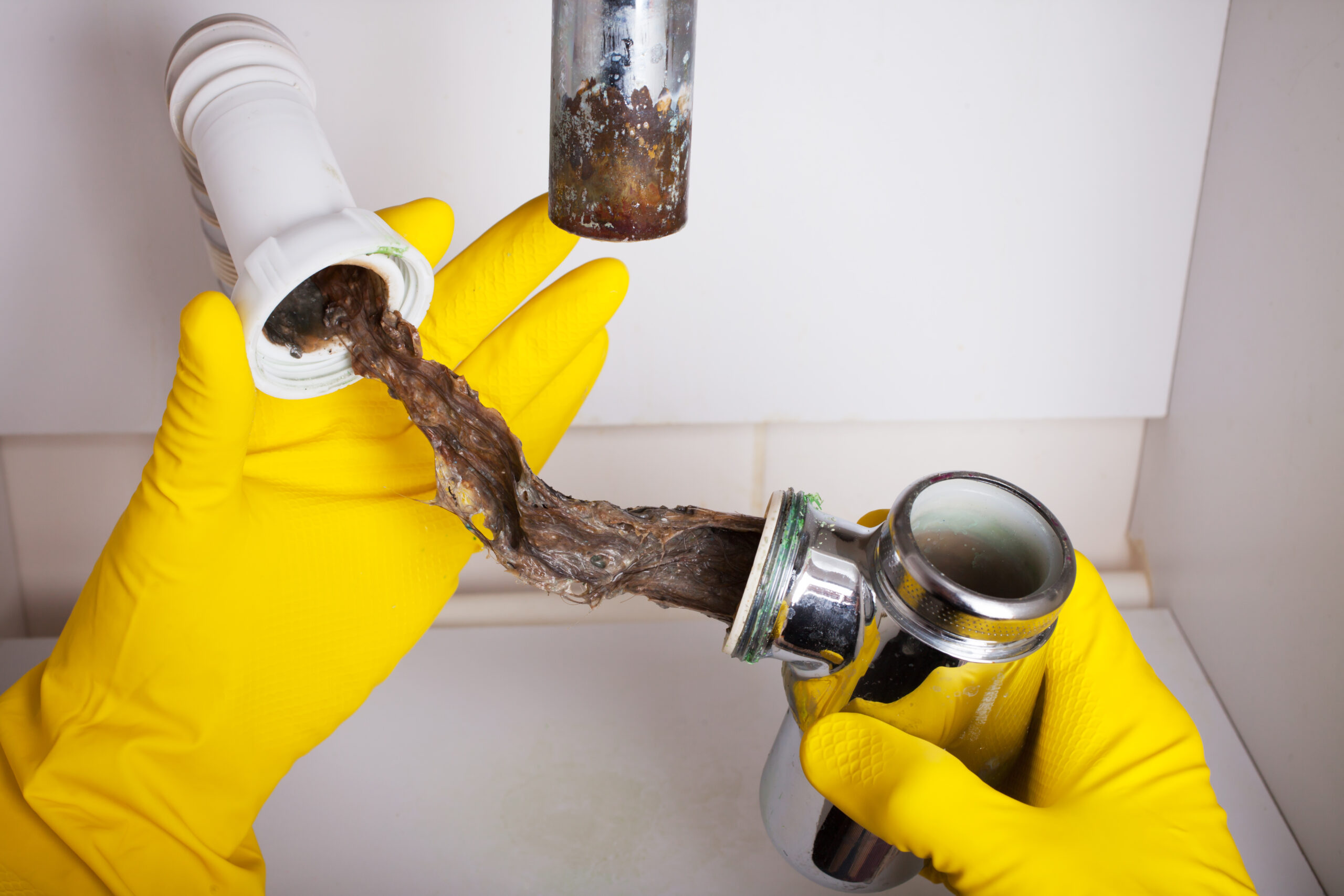
Kitchen drains collect cooking oil, fats, and food particles. Bathroom drains collect soap scum and biofilm. These sticky layers cling to pipe walls. Over time, the pipe diameter narrows, and even small amounts of debris can trigger recurring drain clogs. Hot water alone will not dissolve hardened grease.
Foreign objects and wipes
Many products labeled flushable do not break down quickly enough. Wipes, dental floss, cotton swabs, sanitary products, and paper towels can snag inside pipes. Even small toys, hair ties, and rubber bands can cause a chain reaction that leads to repeat blockages.
Hard water scale and corrosion
Minerals in hard water can leave deposits in pipes. Cast iron and galvanized pipes can also corrode, creating rough surfaces that catch debris. Both conditions encourage recurring drain clogs and slow draining sinks or tubs.
Ventilation problems
Your plumbing system needs air to move wastewater smoothly. Blocked or undersized vents cause gurgling drains and recurring clogs because air pressure cannot balance correctly. Snow, bird nests, and debris can clog roof vents, while remodels can leave vents undersized or disconnected.
Older materials and aging systems
Many homes in Lake County and Kenosha County still use older materials like clay, cast iron, or even fiber-based pipe. As these age, they crack, sag, or flake inside. A camera inspection by Watertight Plumbing can verify the pipe condition and help you plan repairs before a failure causes a major backup.
DIY checks before you call
A few simple steps can help you rule out small issues. If these do not work or the clog returns, call a professional to prevent damage.
- Try a sink or toilet plunger to dislodge minor clogs. Use a tight seal and steady plunges.
- Clean the P-trap under sinks. Place a bucket, remove the trap, and clear debris by hand.
- Remove and clean pop-up stoppers and shower strainers. Hair often hides under the cap.
- Use an enzyme-based cleaner to break down organic matter. Avoid harsh chemical cleaners that can damage pipes.
- Flush with hot water after cleaning the trap or strainer to move loosened debris.
- Check if other fixtures are slow. If more than one is affected, the problem is beyond a single drain.
- Inspect accessible cleanouts. If you see standing water at a cleanout, the main line may be blocked.
- Listen for gurgling or bubbling in nearby fixtures when you drain a tub or flush a toilet. That often means vent or main line trouble.
- If you own a wet and dry vacuum, you can try to pull out shallow clogs from sink drains. Use caution to avoid damaging seals.
- If you rent a small snake, do not force it. If you feel resistance that does not pass, you might be hitting roots or a broken pipe.
If you smell sewage, see water around floor drains, or the clog returns soon after a DIY attempt, stop and call Watertight Plumbing. Fast action prevents costly water damage.
When to call a professional plumber
- Two or more fixtures are slow or backing up at the same time.
- Water backs up into a tub or floor drain when you run a sink or washer.
- Toilet bubbles when you use another fixture.
- Clogs keep returning within a few days or weeks.
- You notice sewer odors or gurgling in multiple rooms.
- The yard is soggy or smells like sewage near the sewer line path.
- Backups spike after heavy rain.
- You tried basic methods but the issue persists.
Watertight Plumbing provides 24 and 7 emergency service for recurring drain clogs and full sewer backups. We serve Kenosha, Zion, Waukegan, Gurnee, Libertyville, and surrounding communities. Call (847) 623-6810 for Lake County or (262) 484-4520 for Kenosha County.
How Watertight Plumbing solves recurring drain clogs
Thorough inspection and diagnosis
We start with questions about your symptoms and building layout. Then we inspect fixtures and cleanouts. If needed, we use a high-definition sewer camera to check the line from the inside. This allows us to see roots, bellies, cracks, or heavy buildup. We record the location and depth so the repair plan is precise and cost effective.
Power rodding and hydro jetting
For many recurring drain clogs, power rodding clears the blockage and restores flow. When grease, scale, or roots are heavy, hydro jetting uses a controlled stream of water to scrub pipe walls clean. Jetting can restore the inside diameter of the pipe and remove the residue that keeps causing repeat clogs.
Sewer line repair and replacement
If a camera shows cracks, collapses, or severe misalignment, we recommend targeted repairs. Depending on the condition and access, we can replace sections of pipe and correct problematic slopes or joints. Our team explains the options and pricing so you can choose the right fix for your property and budget.
Preventive maintenance plans
Once your drains are clear, we help you stay ahead of future issues. Options include seasonal rodding, enzyme treatments, and scheduled inspections. For properties with older trees or aging pipes, a maintenance plan can prevent emergency backups and extend the life of your system.
Emergency response that protects your property
When a backup strikes, speed matters. Our licensed, bonded, and insured technicians arrive with the right tools to stop the overflow, clear the line, and protect your floors and fixtures. We explain what happened and what will prevent the next event. You get a clear plan and straight answers.
Other plumbing issues that mimic recurring drain clogs
- Blocked or undersized vent stacks that cause slow draining and gurgling.
- Failing sump pump systems that let groundwater overload the sewer line during storms.
- Septic tank or field issues that prevent proper drainage.
- Municipal sewer surcharges after heavy rain that back up into low drains.
- A faulty backwater or check valve that sticks closed or open.
Our team can separate these issues from true drain clogs and point you to the right solution.
Simple habits to prevent recurring drain clogs
- Use drain strainers in sinks, tubs, and showers to catch hair and food scraps.
- Collect cooking grease in a sealed container. Never pour it down the drain.
- Flush only toilet paper and waste. Skip wipes, even if labeled flushable.
- Run hot water after washing dishes to help move soap and food residue.
- Install hair catchers in showers and clean them weekly.
- Use less detergent in laundry. Excess suds leave residue in pipes.
- Add a lint trap to your washing machine discharge hose.
- Schedule an annual sewer line inspection if you have large trees or older pipes.
- Know where your cleanouts are located and keep them clear for quick access.
- Consider a water softener if you have hard water scale buildup.
Frequently asked questions about recurring drain clogs
Why do my drains keep clogging even after I clear them?
Recurring drain clogs are often caused by a deeper obstruction like roots, grease layers, or a sagging pipe. Clearing only the nearest blockage does not remove the underlying cause, so the clog forms again. A camera inspection can reveal the true problem.
Are chemical drain cleaners safe to use?
Most chemical drain cleaners are not recommended. They can damage older pipes, harm septic systems, and create a hazard if they splash back. Enzyme-based cleaners are safer, but they cannot fix structural issues or heavy root intrusion. Professional cleaning is the better choice for repeat clogs.
How often should I have my main sewer line cleaned?
For homes with older trees or older pipes, a yearly inspection and cleaning is smart. For newer systems without risk factors, every two to three years may be enough. If you have recurring drain clogs, schedule a camera inspection to set a plan based on your specific line condition.
What is hydro jetting and when do I need it?
Hydro jetting uses high pressure water to remove grease, scale, and debris from pipe walls. It is ideal for kitchens, restaurants, or homes with heavy buildup. It provides a more complete clean than basic snaking and helps stop clogs from coming back quickly.
How can I tell if the problem is in my house or the city’s line?
If multiple fixtures are affected and the lowest drain backs up first, the issue is likely in your main line. If your neighbors have the same problem at the same time, it could be a municipal issue. A camera inspection can confirm the location so you know who is responsible for repairs.
Will homeowners insurance cover sewer line repairs?
Coverage varies. Many standard policies exclude sewer line damage unless you add specific endorsements for service line coverage or water backup. Check your policy and talk to your agent. Watertight Plumbing can provide inspection reports to support your claim if coverage exists.
What can I do today to reduce my risk?
Use strainers, avoid grease, flush only toilet paper, and schedule an inspection if clogs repeat. If trees are near your sewer path, consider preventive rodding. Keep our numbers handy so you can act quickly if a backup starts.
Beyond drains: full-service plumbing you can count on
Recurring drain clogs are only one piece of your plumbing system. Watertight Plumbing supports your home or business with a full range of services to keep water moving the right way every day.
- Emergency Plumbing: Rapid response for sewer backups, gas leaks, burst pipes, and water heater failures.
- Plumbing Installation and Repair: Water lines, sump pumps, fixtures, toilets, and more.
- Sewer Services: Inspections, rodding, drain cleaning, and line repairs.
- Water Heater Services: Installation and maintenance for gas, electric, and tankless systems.
- Sump Pump Solutions: Installations, repairs, and battery backup systems.
- New Construction and Remodeling: Plumbing upgrades for homes and businesses.
Our team serves Kenosha, Zion, Waukegan, Gurnee, Libertyville, and nearby communities with fast, reliable solutions backed by decades of experience.
Why homeowners and businesses choose Watertight Plumbing
- 30 plus years of proven local experience.
- Licensed, bonded, and insured technicians.
- 24 and 7 emergency service when you need it most.
- Advanced equipment including sewer cameras, power rodding, and hydro jetting.
- Clear pricing and honest recommendations.
- Respect for your property with clean, careful work.
- Friendly, informative service that helps you prevent future issues.
When you partner with Watertight Plumbing, you get more than a quick fix. You get a trusted team that treats your home or business like their own and stands behind the work.
Ready to fix recurring drain clogs fast?
If you are tired of clearing the same drain again and again, it is time to look deeper. Let Watertight Plumbing find the real cause and stop the cycle for good. We are local, experienced, and ready to help right now. Call (847) 623-6810 for Lake County, IL, or (262) 484-4520 for Kenosha County, WI. Schedule your inspection today and get your drains back to normal with confidence.