
Protect your older home and avoid winter plumbing emergencies
If you live in an older home in Kenosha County or Lake County, you know winter can be tough on your plumbing. The fastest way to avoid expensive water damage is to prevent frozen pipes before the deep freeze hits. This guide explains why older homes are at higher risk, how to winterize your plumbing step by step, and what to do if a pipe freezes. For local help, Watertight Plumbing offers expert inspections, upgrades, and 24/7 emergency service to keep your home safe all winter.
Prevent frozen pipes in older Kenosha and Lake County homes with expert tips and local service. Act now to winterize, save on repairs, and book your inspection today.
Why older homes in Kenosha and Lake County face higher risk
Homes built decades ago are charming and full of character, but their plumbing often sits in colder spots and is more vulnerable to freezing. In our area, lake effect winds and long stretches of subzero temperatures push pipes to the limit. Kenosha, Zion, Waukegan, Gurnee, and Libertyville regularly see cold snaps that can drop interior temperatures in poorly insulated spaces. Understanding your home’s weak points is the first step to prevent frozen pipes.
- Uninsulated or underinsulated walls and crawl spaces allow cold air to reach pipes.
- Original plumbing may run along exterior walls, garages, or unheated additions.
- Drafts around sill plates, rim joists, foundation cracks, and old windows increase heat loss.
- Basements and crawl spaces may have vents or gaps that let arctic air in.
- Kitchens and bathrooms on exterior walls are common freeze zones.
- Hose bibs and outdoor lines can freeze and back up water into interior piping.
- Older shutoff valves can fail when you need them most.
These risks are common in older Kenosha and Lake County homes. The good news is you can reduce them with a simple plan and targeted upgrades from a local pro like Watertight Plumbing.
How to prevent frozen pipes before temperatures drop
A simple preseason checklist for every homeowner
- Book a plumbing inspection to locate exposed pipes and weak spots.
- Insulate pipes in basements, crawl spaces, garages, and attics.
- Seal air leaks near plumbing routes and around the foundation.
- Shut off and drain outdoor faucets and irrigation lines.
- Test shutoff valves and label the main water shutoff.
- Check the sump pump discharge line for slope and ice risk.
- Service your water heater for consistent hot water during cold snaps.
These steps work together to prevent frozen pipes and keep water flowing even during a polar vortex. If you prefer professional help, Watertight Plumbing can complete this entire checklist and tailor solutions to your home’s layout.
Insulate, heat, and seal your plumbing
Insulation and air sealing are the foundation of prevention. If you can keep the cold out and the heat in, your pipes are much less likely to freeze.
- Pipe insulation: Add foam sleeves or fiberglass wrap to exposed hot and cold water lines. Focus on basements, crawl spaces, rim joists, garages, and attic runs.
- Heat cables: In extreme cold zones, install UL-listed heat cable with a thermostat. These are especially useful for pipes that cannot be relocated away from exterior walls.
- Air sealing: Use caulk and expanding foam around penetrations, sill plates, and where pipes pass through walls and floors. Even small drafts can freeze a pipe when temperatures plunge.
- Wall insulation: If cabinets or fixtures sit on exterior walls, consider dense-pack or foam insulation. In some cases, minor plumbing rerouting saves major headaches.
Watertight Plumbing can evaluate insulation coverage and recommend heat cables or reroutes where necessary. Our team often finds simple fixes that make a huge difference in older homes.
Protect kitchens, bathrooms, and laundry rooms
Rooms with plumbing along exterior walls freeze first. Focus on these daily-use areas to prevent frozen pipes and avoid disruptions.
- Keep cabinet doors open on cold nights so warm air reaches sink plumbing.
- Let faucets trickle in extreme cold to keep water moving. Both hot and cold lines benefit.
- Use a room-safe space heater in problem areas. Keep it clear of flammables and never leave it unattended.
- Check laundry supply lines for stiffness or frost. Upgrade to braided stainless steel hoses for added protection.
- Install shutoff valves under sinks and behind toilets if they are missing or stuck. Quick shutoffs reduce damage if a pipe bursts.
Winterize outdoor spigots and irrigation
Outdoor lines are a leading cause of freeze damage inside the home. Take the time to drain and secure them before the first hard freeze.
- Shut off interior valves to hose bibs. Open the exterior faucet to drain. Add an insulated cover for extra protection.
- Upgrade to frost-free hose bibs if possible. Proper pitch is needed so they drain after you close them.
- Have irrigation lines blown out. Trapped water can freeze and crack pipes that run near your foundation.
- Disconnect and store hoses. A hose left on a spigot can trap water and burst the faucet assembly.
Basements, crawl spaces, and garages
These spaces often cause the most trouble in older homes. A few small changes help maintain safe temperatures.
- Close and seal crawl space vents for winter. Add insulation to the rim joist and sill plates.
- Insulate and air seal the band joist around the basement. This is a major source of heat loss.
- Weatherstrip garage doors and consider a threshold seal. Keep garage doors closed in cold weather, especially if water lines run through the space.
- Add a low-wattage safety heater in crawl spaces with vulnerable pipes. Use a thermostat and proper clearance.
Do not forget your water heater and sump pump
Your water heater supports prevention by delivering steady hot water to vulnerable lines, and your sump pump protects your basement during a thaw.
- Water heater tune-up: Flush sediment, test the anode rod, and verify thermostat accuracy. Older tanks benefit from routine maintenance for reliability in cold weather.
- Sump pump check: Test the pump, confirm the float switch moves freely, and inspect the discharge line for proper slope and freeze risk. A frozen discharge can flood your basement when snow melts.
- Backup systems: Consider a battery backup for your sump pump. If the power goes out during a storm, your basement stays protected.
Watertight Plumbing provides water heater services and sump pump solutions throughout Kenosha and Lake County. Ask our team to include these checks during your winterization visit.
What to do during a cold snap
Even with solid prep, your home needs extra attention on the coldest nights. These habits help prevent frozen pipes when temperatures drop fast.
- Set your thermostat to at least 65 degrees. Keep it steady day and night.
- Open cabinets under sinks on exterior walls to let warm air circulate.
- Run a slow trickle at problem fixtures. Moving water is less likely to freeze.
- Close garage doors and minimize opening exterior doors.
- Keep interior doors open to balance heat throughout your home.
- Use area rugs on cold floors above crawl spaces.
- Know where your main shutoff valve is located. Make sure it turns easily.
Warning signs your pipes are starting to freeze
Act fast if you notice these red flags. Early action can prevent a burst pipe and costly repairs.
- Sudden drop in water pressure or intermittent flow.
- Frost on visible pipes or fittings.
- Unusual sounds in walls like ticking, clanking, or bubbling.
- Toilet tanks refilling slowly after a flush.
- Condensation or damp spots near plumbing on exterior walls.
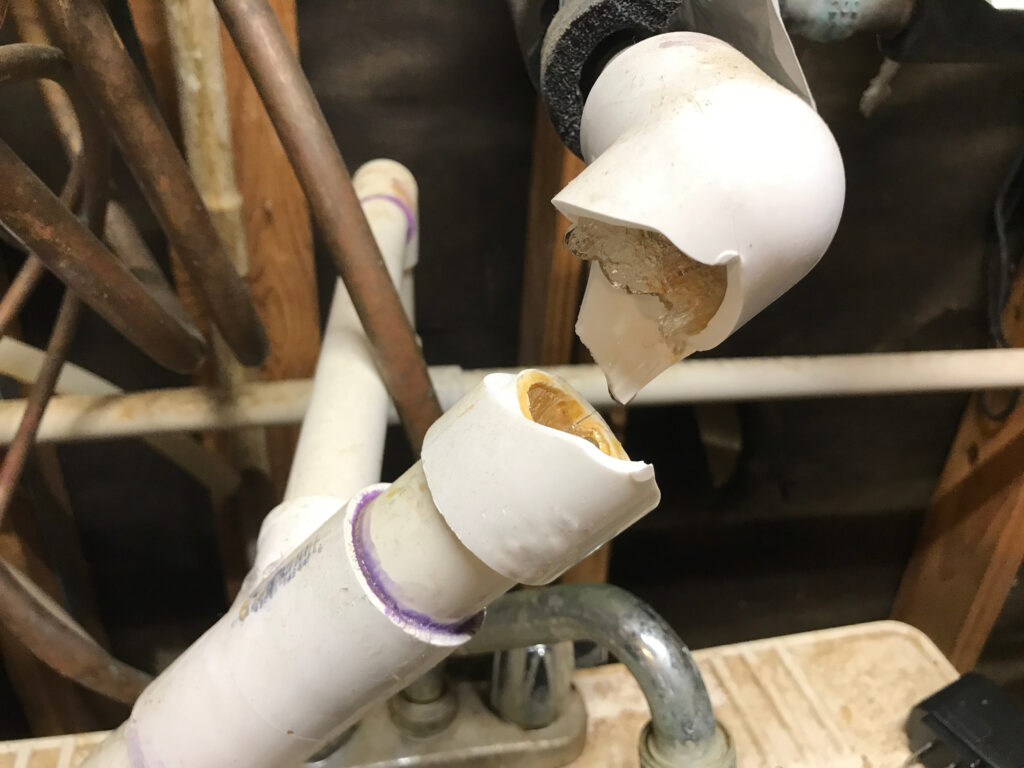
If a pipe freezes or bursts
Stay calm and follow these steps to limit damage and get professional help quickly.
- Shut off the water at the main valve immediately. This reduces flooding and pressure on the line.
- Turn off electricity to affected areas if water is near outlets or appliances.
- Open faucets to relieve pressure and allow thawed water to escape.
- Apply gentle heat to the frozen section with a hair dryer or space heater. Never use an open flame.
- Document any damage with photos for insurance.
- Call Watertight Plumbing for 24/7 emergency service. Lake County: (847) 623-6810. Kenosha County: (262) 484-4520.
Our licensed, bonded, and insured team responds quickly to burst pipes, sewer backups, gas leaks, and other emergencies. We provide clear communication, safe work practices, and reliable repairs you can trust.
Why choose Watertight Plumbing for winter prep
Watertight Plumbing, also known as Water Tight Plumbing and Sewer, is a family-owned company with more than 30 years of experience serving Lake County, IL, and Kenosha County, WI. We understand local weather patterns, older home construction, and the specific steps needed to prevent frozen pipes in our area. Our technicians are licensed, bonded, insured, and available day or night when you need help most.
Comprehensive services to keep your plumbing safe
- Emergency plumbing for burst pipes, sewer backups, gas leaks, and water heater failures.
- Plumbing installation and repair for water lines, sump pumps, fixtures, and toilets.
- Sewer services including inspections, rodding, drain cleaning, and line repairs.
- Water heater services for gas, electric, and tankless systems.
- Sump pump solutions with installations, repairs, and battery backups.
- New construction and remodeling support for plumbing upgrades in homes and businesses.
We serve Kenosha, Zion, Waukegan, Gurnee, Libertyville, and nearby communities. Call (847) 623-6810 for Lake County or (262) 484-4520 for Kenosha County to schedule a winterization inspection or emergency service.
The local advantage: tailored plans for older homes
Every older home is unique. Some have crawl spaces with limited access, others have uninsulated sunrooms or additions that create cold spots. Watertight Plumbing takes a targeted approach that fits your home’s age and layout. We identify vulnerable lines, recommend the right insulation or heat cable, and can reroute exposed sections that cannot be protected. Our team also checks your shutoffs, verifies slope on exterior discharges, and points out any code or safety issues you should address before winter.
Prevention costs less than repairs
Prevent frozen pipes with affordable upgrades and maintenance rather than paying for emergency cleanup and restoration. The difference can be thousands of dollars.
- Pipe insulation and air sealing are low-cost improvements with high impact.
- Heat cable is inexpensive compared to the cost of water damage and drywall replacement.
- Upgrading old valves and fixtures reduces the risk of failure in extreme cold.
- Routine water heater and sump pump maintenance boosts reliability during winter storms.
Watertight Plumbing provides clear estimates and practical options at a range of price points. Our goal is to help you protect your home without overspending.
Frequently asked questions
At what temperature do pipes freeze?
Water starts to freeze at 32 degrees, but pipes usually need a longer exposure to sustained cold to freeze solid. In Kenosha and Lake County, anytime the outdoor temperature is below 20 degrees, uninsulated pipes in exterior walls, basements, or crawl spaces are at risk. Prevent frozen pipes by keeping indoor temperatures steady and insulating vulnerable lines.
Should I let faucets drip?
Yes. A slow trickle keeps water moving and reduces pressure buildup if ice forms. Drip both hot and cold taps at fixtures with exterior-wall pipes or past freeze issues.
Can I thaw a frozen pipe myself?
You can try gentle heat with a hair dryer or space heater if the pipe is accessible and not cracked. Never use an open flame. If you cannot reach the pipe or suspect a split, shut off the water and call Watertight Plumbing right away.
What about sewer and drain lines?
Sewer lines can freeze near shallow runs or at the foundation where cold air leaks in. Signs include gurgling, slow drains, or sewage smells. Watertight Plumbing offers sewer inspections and rodding to clear blockages and protect your line before and during winter.
Do tankless water heaters help?
Tankless units can improve efficiency and deliver continuous hot water, which can help keep hot lines warmer during cold spells. They should still be protected from freezing, especially if installed in garages or exterior walls. Watertight Plumbing installs and services tankless systems and can winterize the setup for local conditions.
Schedule your winter plumbing inspection today
The easiest way to prevent frozen pipes is to plan ahead with a professional inspection. Watertight Plumbing will evaluate your home, identify risks, and complete the upgrades that matter most before temperatures drop. We are fast, friendly, and locally trusted across Kenosha County and Lake County. Call (847) 623-6810 for Lake County or (262) 484-4520 for Kenosha County. Ask about our seasonal winterization services and 24/7 emergency response.
A safer, warmer winter for your home
Older homes deserve thoughtful care, and simple prevention steps can protect your plumbing all season long. Insulate, seal, and maintain your system. Keep watch during cold snaps. Know your shutoff valve and act quickly if you see warning signs. Most importantly, partner with a local expert who understands our weather and housing stock. Watertight Plumbing is ready to help you prevent frozen pipes, avoid costly damage, and keep your home safe and comfortable through every Wisconsin and Illinois winter.