
Main sewer line clogged? Multiple drains backing up at once often signal a blockage. Discover causes, warning signs, and fixes, and act now to prevent costly damage.
If two or more fixtures are slow, gurgling, or backing up at the same time, you are likely dealing with a blocked main sewer line. This is the pipe that carries wastewater from your entire home or building to the city sewer or to a septic system. When it is obstructed, lower level fixtures often show problems first, then the issue works its way up. In this guide, the licensed team at Watertight Plumbing explains what is going on, how to stay safe, what you can try, and why fast professional service is your best protection against water damage and contamination.
Quick Answer: Why Multiple Drains Back Up Together
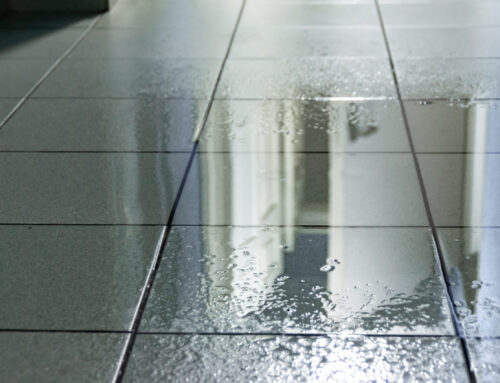
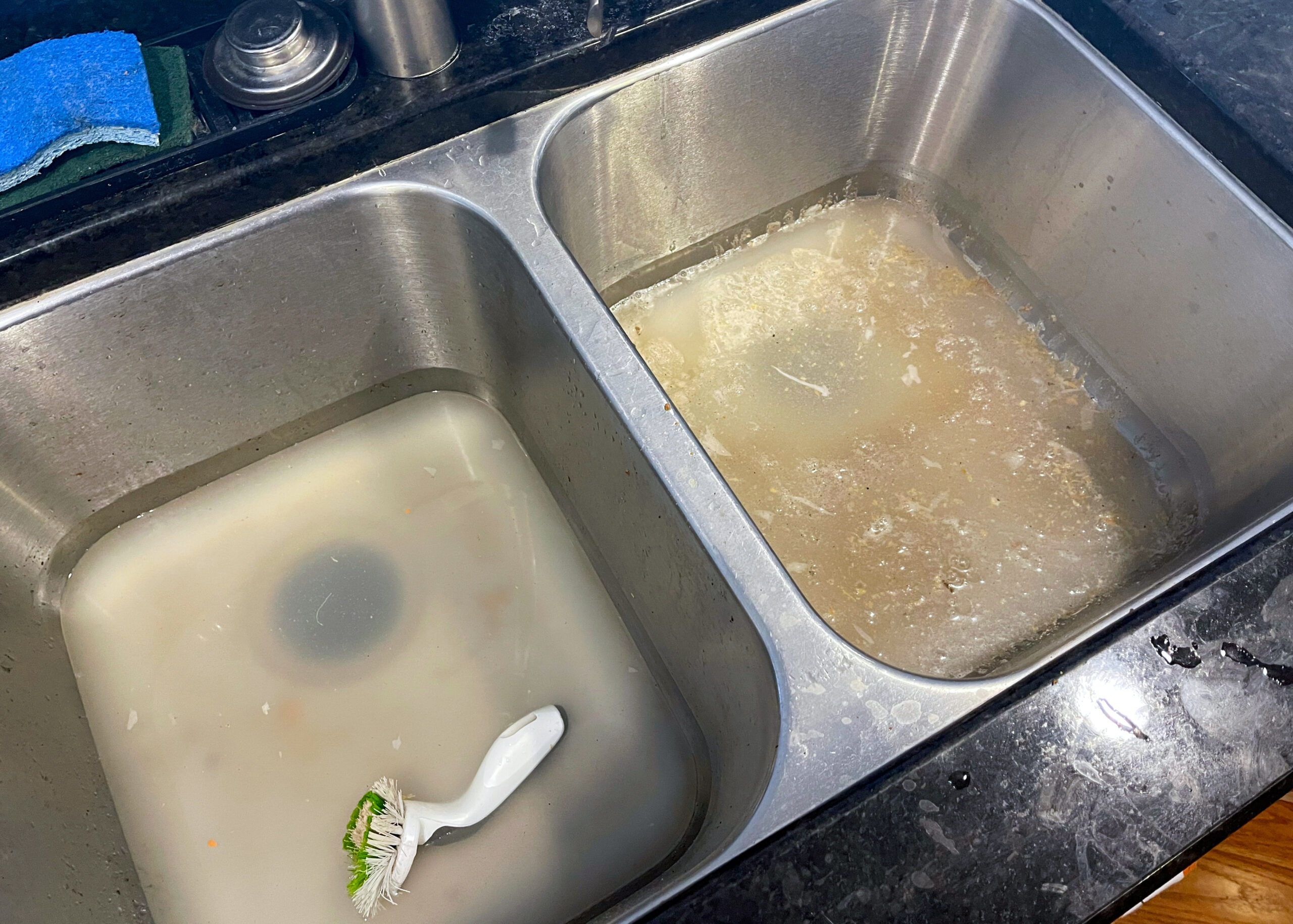
When sinks, tubs, or toilets back up at the same time, it usually means the main sewer line is clogged. A single slow sink may be a local trap or branch line issue. But backups across several fixtures point to a problem downstream of those fixtures, where all the waste pipes come together. Because wastewater cannot pass through the blockage, it takes the path of least resistance and returns through the lowest drains, often a basement floor drain, lower level shower, or laundry tub.
Common Causes of a Main Sewer Line Clogged
Tree Roots Penetrating the Pipe
Roots seek moisture and nutrients. If your sewer line has joints, small cracks, or porous materials like old clay tile, roots can infiltrate and expand inside the pipe. Over time they create a dense mat that catches toilet paper and debris, leading to frequent backups.
Grease, Fat, and Food Debris
Pouring grease down the sink is a leading cause of clogged main lines. Grease cools and hardens along the pipe wall. Food scraps, coffee grounds, and soap scum stick to the buildup until the pipe narrows and finally blocks.
Wipes, Hygiene Products, and Foreign Objects
Many products marked flushable do not break down like toilet paper. Baby wipes, paper towels, feminine products, cotton swabs, and dental floss can snag inside the pipe. Once one item snags, more follow and the blockage grows.
Pipe Bellies, Sags, or Collapse
Soil settlement can create a low spot in the line called a belly. Wastewater slows in that spot and solids settle out, building a stubborn blockage. Old cast iron, clay, or Orangeburg pipe can crack, flake, or even collapse, especially in older neighborhoods.
Scale and Corrosion in Old Pipe
Cast iron can develop rough scales inside over decades. The rough surface catches paper and solids. When combined with low flow toilets and long, flat runs, frequent clogs are common.
Heavy Rain and Groundwater Intrusion
During storms, groundwater can infiltrate damaged sections of pipe. Illegal sump pump or downspout connections can overload the line. The excess water moves solids poorly and can push sewage back into your home.
Construction Debris and Misaligned Joints
Renovation projects sometimes leave mortar, concrete, or drywall mud in the drain system. Couplings that are offset or poorly installed also catch debris and start a blockage.
Vent Problems Are Rarely the Culprit
Vent clogs can cause slow drains and gurgling, but when multiple fixtures back up with sewage, the core issue is almost always a main sewer line clogged scenario, not a vent blockage.
Warning Signs You Should Not Ignore
- Backups in a basement or lowest level drain when you flush a toilet upstairs
- Gurgling sounds in a tub or shower when the washing machine drains
- Toilets bubbling or water level rising and falling unexpectedly
- Multiple slow drains throughout the home, not just one
- Sewage odors near floor drains or in lower bathrooms
- Water pooling near a floor drain after heavy rain
- Recurring clogs that return shortly after snaking a single fixture
If you notice one or more of these signs, treat it as urgent. Acting now can prevent sewage overflow, water damage, and mold growth.
What To Do Right Now if You Suspect a Clogged Main Sewer Line
- Stop using water. Pause showers, dishwashers, washing machines, and toilets. Any water you run may come back up in a lower drain.
- Check the lowest drains. Look at the basement floor drain, lower level tub, or laundry sink. If you see standing water or sewage, the main line is likely blocked.
- Locate your main cleanout if possible. A cleanout is a capped access point on the main line. It may be in the basement, just outside the foundation, or near the property line. Do not remove the cap if sewage is present and you are unsure. Opening it can release wastewater.
- Do not use chemical drain cleaners. They rarely help a main line blockage and can be hazardous for you and for technicians. They can also damage older pipes.
- Call a licensed plumber. Main line clogs require professional equipment like augers, root cutters, or hydro jetters. Watertight Plumbing offers 24 hour emergency service and can get your system flowing quickly.
- Protect the area. Keep children and pets away. Wear gloves and wash hands if you must touch anything. Avoid breathing aerosolized droplets.
How Pros Diagnose and Clear a Main Sewer Line Clogged
Sewer Camera Inspection
After initial clearing, a video inspection helps identify the root cause. A flexible camera shows cracks, roots, bellies, or foreign objects so the fix is not just temporary. Watertight Plumbing uses camera tools to document the condition and recommend the best long term solution.
Power Rodding and Root Cutting
For many blockages, a professional grade auger with cutting heads clears roots and debris. Proper technique and the right cutter size matter to clear the full pipe diameter. In some cases, multiple passes are needed.
Hydro Jetting
Hydro jetting uses high pressure water to scour the pipe walls. It is effective for grease, sludge, and scale. Jetting can restore the pipe’s internal diameter and is often used after rodding to provide a thorough clean.
Repairs and Upgrades
If the camera reveals cracks, offset joints, or a collapsed section, localized repair or pipe replacement may be necessary. Trenchless options like pipe lining or pipe bursting can reduce excavation in many cases. Watertight Plumbing will walk you through cost effective options.
Cleanout Installation
If your property lacks a convenient cleanout, installing one can save time and money on future service. It gives direct access to the main line for clearing and inspections.
Who Owns What
Homeowners are typically responsible from the building to the property line. The city maintains the public main. In rare cases, a city main issue can push sewage into homes. A camera inspection and municipal coordination may be required.
Prevention: How to Avoid Another Main Sewer Line Clogged Event
- Only flush toilet paper. Keep wipes, paper towels, hygiene products, and dental floss out of toilets even if labeled flushable.
- Keep grease and oil out of sinks. Collect cooking grease in a container and dispose of it in the trash.
- Use hair catchers in showers and tubs. Clean them regularly.
- Run hot water after using the kitchen sink to help move soap and fats along.
- Schedule maintenance rodding or jetting if you have a history of root intrusions or heavy grease use.
- Plant trees away from sewer lines and choose slow growing, less aggressive species.
- Install a backwater valve if your area is prone to city sewer surges. This device helps prevent sewage from flowing into your home during heavy rain events.
- Upgrade old or failing pipe materials during remodeling projects to reduce future risk.
- Consider a sump pump with a battery backup to keep groundwater out of your basement during storms. Watertight Plumbing installs and services reliable systems.
Why Homeowners and Businesses Choose Watertight Plumbing
Watertight Plumbing, formally known as Water Tight Plumbing and Sewer, is a family owned company with more than 30 years of experience. Our team is licensed, bonded, and insured. We serve both residential and commercial customers throughout Lake County in Illinois and Kenosha County in Wisconsin. When your main sewer line is clogged, time matters. We provide 24 hour emergency service and arrive with the right tools to get you back to normal fast.
Our services include emergency plumbing, sewer inspections and rodding, drain cleaning, line repairs, water heater installation and service for gas, electric, and tankless units, sump pump solutions, and plumbing for new construction and remodeling. We pride ourselves on clear communication, fair pricing, and work done right the first time.
We cover Kenosha, Zion, Waukegan, Gurnee, Libertyville, and surrounding communities. For fast help, call Watertight Plumbing at 847-623-6810 in Lake County or 262-484-4520 in Kenosha County.
FAQs About a Main Sewer Line Clogged
Is it safe to use chemical drain cleaners on a main line clog?
No. Chemical cleaners are designed for small kitchen or bathroom sink clogs. They are largely ineffective on main line blockages and can create a hazard for you and for technicians who must handle the pipes afterward. They can also damage older pipe materials. Mechanical clearing and professional tools are the correct approach.
Why do my lower level fixtures back up first?
Sewage looks for the lowest exit. When the main line is blocked, wastewater cannot reach the city main or septic tank. It will rise and exit through the lowest drain, often a basement floor drain or lower level shower.
Do I really need a camera inspection if the line seems clear now?
Yes, in many cases. A camera inspection shows why the clog happened. If roots, a belly, or a break caused it, the blockage will likely return. Seeing the inside of the pipe lets you make an informed decision about repair or maintenance.
Can my vent stack cause multiple drains to back up?
Vent issues can cause slow drainage and gurgling, but sewage backing up into multiple fixtures usually means the main sewer line is clogged. It is best to have a pro verify with a camera.
We are on a septic system. What is different?
If you are on septic, a full or failing tank or a clogged outlet baffle can mimic a main line clog. Regular pumping and inspection are critical. Watertight Plumbing can help diagnose whether the issue is in your house line or at the septic tank.
How long does it take to clear a main line?
Most clogs can be cleared in one to two hours, depending on severity and access. If roots are heavy or a collapse is found, additional work may be needed. Having an accessible cleanout usually speeds the process.
Will my yard need to be dug up?
Not always. Many problems can be solved by rodding or jetting through existing cleanouts. If the line is broken or severely sagging, repair or replacement may require excavation or trenchless methods. A camera inspection informs the best approach.
Local Factors in Lake County and Kenosha County
Homes in Lake County, Illinois, and Kenosha County, Wisconsin, often have older clay or cast iron sewer lines. These materials are more prone to root intrusion and scaling. Our freeze thaw cycles can worsen tiny cracks as ice expands, letting roots in. Many neighborhoods also feature mature trees like willow and silver maple, which have aggressive root systems. Heavy storms off Lake Michigan can overload aging systems and increase the risk of backups, especially where sump pumps or downspouts tie into sanitary lines. Watertight Plumbing understands these local conditions and tailors solutions to your property and neighborhood.
New Construction and Remodeling Tips to Prevent Future Clogs
- Install properly located cleanouts for easy maintenance and camera access.
- Use durable, smooth wall piping with correct slope for reliable flow.
- Separate storm water from sanitary lines to keep flow rates consistent.
- Upgrade old branch lines during remodels to reduce future bottlenecks.
- Secure permits and inspections to ensure code compliant work that protects your investment.
When Repair or Replacement Makes Sense
Clearing a clog addresses the symptom. If camera footage shows repeated root intrusion, a long belly, severe corrosion, or a collapsed section, a lasting fix will save money and headaches. Options include spot repairs, full replacement, or trenchless lining and bursting. A backwater valve can add protection in areas that see city main surges. Watertight Plumbing will explain each option, outline pros and cons, and provide a clear estimate so you can choose with confidence.
How Watertight Plumbing Handles Emergencies
Our process is designed to minimize downtime and damage. We start by confirming that the main sewer line is clogged, then clear the line using the best tool for the job. If sewage is present, we work to stop additional backups and recommend safe cleanup steps. After flow is restored, we suggest a camera inspection to identify causes. If repairs are needed, we provide options and a timeline that fits your schedule. We are available around the clock because plumbing emergencies rarely wait for business hours.
Simple Habits That Keep Your Sewer Line Healthy
- Flush only human waste and toilet paper.
- Avoid pouring fats, oils, and grease into sinks.
- Scrape plates into the trash rather than the disposal.
- Use enzymatic drain treatments if your plumber recommends them, and avoid harsh chemicals.
- Have a maintenance plan if your property has a history of root issues.
- Call at the first sign of widespread slow drains instead of waiting for a full backup.
Your Next Step
If multiple drains are backing up in your home or business, assume the main sewer line is clogged and act fast. Stop running water and call Watertight Plumbing for immediate help. We serve Lake County, IL, and Kenosha County, WI, with fast, reliable, 24 hour emergency plumbing. Reach us at 847-623-6810 for Lake County or 262-484-4520 for Kenosha County. From emergency clearing to comprehensive repairs, we will get your system flowing and help prevent the next backup.
Watertight Plumbing is your local partner for emergency plumbing, sewer services, water heaters, sump pumps, and plumbing for new construction and remodeling. With more than three decades of experience and a commitment to honest, dependable service, we are ready to resolve your sewer problem today. Call now before a small clog becomes a big mess