

Holiday feasts and the sudden garbage disposal clogged problem
Big holiday meals are fun until the sink stops draining and the kitchen smells like a compost bin. If your garbage disposal clogged after cooking for guests, you are not alone. Heavier cooking, greasy pans, and new helpers at the sink often lead to jams and slow drains. The good news is that most post-holiday disposal problems can be prevented with a smarter kitchen setup and a few easy habits. This guide shows you how to avoid clogs, how to fix them fast, and when to call Watertight Plumbing for professional help in Lake County, IL, and Kenosha County, WI.
Why holiday cooking often causes disposal clogs
Holiday menus include foods that are tough on disposals and drains. Grease cools and hardens in pipes. Starchy foods swell and stick to elbows in the drain line. Extra people in the kitchen may rinse the wrong scraps down the sink. A garbage disposal is strong, but it is not a trash compactor and it cannot fix drainage problems caused by oil and buildup.
- Grease and oils coat the grinding chamber and drain walls, then cool into a sticky plug.
- Starches like mashed potatoes, rice, and pasta turn into paste and trap smaller scraps.
- Fibrous foods like celery strings and corn husks wrap around the impellers and stop movement.
- Bone shards, fruit pits, and hard nuts can jam the flywheel or blunt the cutters.
- Holiday baking leads to flour and dough in the sink, which can gum up the works.
- Overloading the disposal all at once can trip the reset or stall the motor.
Common signs your garbage disposal is clogged
Spotting the issue early helps you prevent damage and bigger blockages further down the line. If you notice any of these signs, respond quickly.
- Standing water in the sink or very slow draining after using the disposal
- Loud humming without grinding, which means the motor runs but something is stuck
- Bad odors that linger even after rinsing
- Frequent tripping of the reset button on the bottom of the unit
- Water backing up into the other side of a double sink
What to do right away when your garbage disposal is clogged
Safety first
Never put your hand inside the disposal. Always turn off power at the wall switch. For extra safety, unplug the unit under the sink or shut off power at the breaker. Use tools instead of fingers to remove visible debris.
Step-by-step unclogging method
- Check the reset button. Press the red reset button on the bottom of the disposal. If it clicks and stays in, try running cold water and turning the unit on again. If it trips again, move to the next steps.
- Use a flashlight to look inside. With the unit off, shine a light into the chamber. If you see large bones, fruit pits, or utensils, use long tongs or pliers to remove them. Do not reach in with your hands.
- Turn the flywheel manually. Many disposals have a hex socket underneath. Insert a 1/4 inch Allen wrench and turn it back and forth to free the flywheel. If your model uses a jam-buster wrench from the top, use that according to the manual.
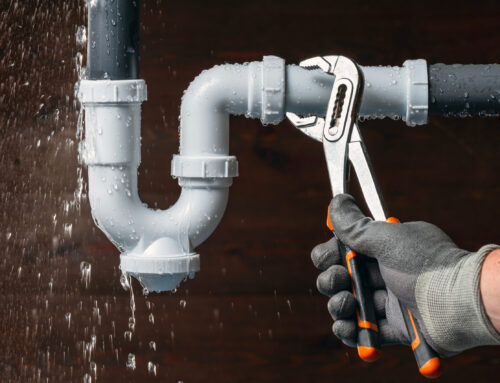
- Clear the drain trap. Place a bucket under the P-trap under the sink. Loosen the slip nuts and remove the trap. Clear any paste-like buildup, then check the trap arm for obstructions. Reassemble and test.
- Flush with cold water. Run a strong flow of cold water and turn on the disposal. Add small amounts of ice cubes to help scuff grease from the chamber walls.
- Deodorize and refresh. Finish with a quick rinse of mild dish soap and cold water. Avoid pouring chemicals into the disposal.
What not to do
- Do not stick your hand inside the disposal chamber.
- Do not use chemical drain cleaners. They can damage seals and splash back into the sink.
- Do not run the disposal dry. Always run plenty of cold water if the unit is functioning.
- Do not force large batches of scraps into the disposal. Feed it slowly and evenly.
Smarter kitchen setups that prevent clogs
Good layout and tools make it simple to keep your disposal clear, even during big holiday gatherings. Small upgrades also reduce strain on the unit and prevent costly repairs.
Sink station layout for prep and cleanup
- Set a compost or trash bin next to the sink. Make it easy for helpers to scrape plates into the right container and keep non-disposal items out of the drain.
- Use a fine-mesh sink strainer during prep. Catch peels, eggshells, and pasta water starch before they slip down.
- Keep a grease can near the stove. Pour bacon fat and roasting pan drippings into a heat-safe container, then discard once solid.
- Place tongs and a flashlight under the sink. Quick access to tools helps you remove items safely without guessing.
Choose the right disposal size and features
- Horsepower matters. For active home cooks or larger households, a 3/4 to 1 horsepower unit handles more food waste with fewer jams.
- Stainless steel components last longer. They resist corrosion and stay sharper than basic models.
- Sound insulation helps. Quieter models encourage proper use without the temptation to rush or overload.
- Auto-reverse or jam-sensor features are helpful. These functions reduce stuck flywheels and reset trips.
Add-ons that help your drains
- Install an air gap or high loop for dishwashers. This prevents backflow and cross contamination during heavy dish cycles.
- Consider a deeper sink basin. More space makes it easier to rinse with strong water flow while the disposal runs.
- Upgrade to a continuous-feed model if you cook often. Foot or wall switches allow safe, steady control with both hands free.
Everyday habits that keep your disposal clear
What you send into the disposal matters more than almost anything else. Even powerful units need thoughtful use, especially in older homes or with long drain runs.
What to put in and what to avoid
- Safe in small amounts: soft vegetables, small citrus peels, small amounts of cooked meat, small bones from fish, and leftover crumbs.
- Sometimes okay: limited coffee grounds followed by lots of water, small amounts of eggshell if your manual allows.
- Avoid completely: large bones, fruit pits, oyster shells, corn cobs, celery strings, onion skins, potato peels, rice, pasta, flour, dough, and nut shells.
- Never pour: cooking oil, bacon grease, butter, cream sauces, or melted fats.
Water temperature and flow
- Use cold water while grinding. Cold water helps fats stay solid so the disposal can chop and flush them out instead of coating the pipes.
- Run water before and after. Let cold water run for at least 10 to 20 seconds before and 20 to 30 seconds after you turn off the disposal to clear the line.
Grinding routine that prevents jams
- Feed waste slowly. Add small handfuls at a time rather than dumping a full plate of scraps at once.
- Keep it moving. If the sound changes or slows, pause adding scraps and let it clear with water.
- Use ice occasionally. A cup of ice can help scour the chamber. Do not use ice as a fix for a jammed impeller.
- Freshen with citrus. Small pieces of lemon peel can help reduce odors, but do not overload with thick rinds.
Simple maintenance plan for a healthy disposal
A short monthly routine will keep your disposal and drain line in better shape, especially in homes that cook often.
- Weekly: Run the disposal with cold water for 30 seconds after dishwashing to clear residue. Add a few ice cubes if odors creep in.
- Monthly: Clean the splash guard by lifting and scrubbing both sides with a brush and mild dish soap. This rubber piece holds most of the smell.
- Monthly: Flush the drain with hot water after the unit is off and clear. Boil a kettle and carefully pour slowly to melt thin grease film. Avoid doing this during grinding.
- Quarterly: Inspect the P-trap for buildup if you notice slow drains. Remove and clean if needed.
- As needed: Use an enzyme-based drain treatment to break down organic buildup. Follow the product instructions. Avoid corrosive chemicals.
When to call Watertight Plumbing
If your garbage disposal clogged and none of the above steps fix it, there may be a deeper issue. You may have a main line blockage, a broken impeller, a burnt-out motor, or a misaligned drain trap. Professional tools and experience can save time and prevent damage to your sink and cabinets.
- Recurring clogs or slow drains after using the disposal
- Water leakage from the disposal housing or connections
- Metal grinding noises that suggest broken parts
- Standing water that returns after you clear the trap
- Older units that trip the reset more often or fail to start
Watertight Plumbing is your local expert for fast disposal and drain solutions. Water Tight Plumbing & Sewer is family owned with over 30 years of experience. Our licensed, bonded, and insured team serves homes and businesses across Lake County, IL, and Kenosha County, WI. We provide 24/7 emergency service, so you do not have to fight with a flooded sink after a holiday meal.
24/7 emergency help when a holiday clog will not wait
Some disposal clogs turn into bigger problems fast. If you have a sewer backup, a burst pipe under the sink, or a disposal that has shorted out and leaks, call Watertight Plumbing right away. We handle emergency plumbing with rapid response. Our trained techs arrive with the tools to rod lines, clear stubborn blockages, and repair or replace your disposal safely.
Service areas and easy contact
Watertight Plumbing serves Kenosha, Zion, Waukegan, Gurnee, Libertyville, and surrounding communities. For fast help, call 847-623-6810 for Lake County or 262-484-4520 for Kenosha County.
Full-service solutions to keep your kitchen running
Disposal clogs often reveal other plumbing issues. A smart fix looks at the whole system, not just the food grinder. Watertight Plumbing offers comprehensive services to keep water flowing where it should.
- Emergency Plumbing: Rapid response for sewer backups, gas leaks, burst pipes, and water heater failures
- Plumbing Installation and Repair: Water lines, fixtures, toilets, sump pumps, and more
- Sewer Services: Video inspections, rodding, drain cleaning, and line repairs
- Water Heater Services: Installation and maintenance for gas, electric, and tankless systems
- Sump Pump Solutions: New installations, repairs, and battery backup systems
- New Construction and Remodeling: Smart plumbing upgrades for homes and businesses
If your garbage disposal clogged more than once this season, you may benefit from a drain cleaning, a trap reconfiguration, or a higher horsepower unit. Our technicians will assess the layout under your sink, check for venting issues, and make sure the disposal and dishwasher connections meet code. We will also help you choose a model that fits your cooking habits and household size.
FAQs about garbage disposals and holiday clogs
Can I put eggshells in my disposal?
Small amounts are usually fine, but some manufacturers advise against them. The thin membrane can wrap around moving parts. When in doubt, compost or trash them.
Is hot water better for grinding?
Use cold water while the disposal runs. Cold water helps fats stay solid so the unit can chop and move them out. Use hot water after you finish grinding to help clean the sink, not during grinding.
Will baking soda and vinegar fix a garbage disposal clogged with grease?
Baking soda and vinegar can help with odors and light film, but they will not dissolve heavy grease plugs. Manual removal, trap cleaning, and strong cold-water flushing are more effective. For stubborn grease, call Watertight Plumbing for professional drain cleaning.
How long should I run the water after using the disposal?
Run cold water for 20 to 30 seconds after the grinding stops to flush the drain line. If your sink has a long horizontal run, let it run longer.
Is a larger disposal always better?
More horsepower helps if you cook often or have a large family, but proper habits still matter. Even a 1 horsepower unit can clog if fed pasta, potato peels, and grease at the same time.
My disposal hums but does not spin. What now?
Turn off the power. Try the reset button, then turn the flywheel manually with an Allen wrench. If it stays stuck, there may be a hard object or a failed motor. Contact Watertight Plumbing to prevent motor damage.
Holiday hosting checklist to avoid disposal clogs
- Place a compost or trash bin next to the sink with a simple sign for guests
- Keep a fine-mesh strainer in the sink during prep and clean-up
- Pour grease into a container, never into the sink
- Scrape plates into trash before rinsing
- Run the disposal with cold water between batches
- Do a quick flush with cold water after each session of grinding
- Have tongs, a flashlight, and a 1/4 inch Allen wrench ready
- Know Watertight Plumbing’s phone numbers for emergency support
When your garbage disposal is clogged, we are ready to help
Holiday cooking should be about good food, not drain drama. A smarter sink setup, careful habits, and basic maintenance will prevent most clogs. If your garbage disposal clogged and you cannot clear it, or if the problem keeps coming back, Watertight Plumbing is here to help. Our family-owned team has over 30 years of experience, and we are licensed, bonded, and insured. We provide reliable service when you need it, including nights, weekends, and holidays.
Call Watertight Plumbing at 847-623-6810 in Lake County or 262-484-4520 in Kenosha County. From quick garbage disposal repairs to full drain cleaning and sewer line assessments, we will get your kitchen back to normal fast. Serving Kenosha, Zion, Waukegan, Gurnee, Libertyville, and more, Watertight Plumbing is your trusted local partner for a clean, safe, and clear-running kitchen all season long.