
Smelly hot water in Kenosha? Learn causes, DIY fixes, and pro solutions to restore clean, safe water fast. Do not wait. Schedule expert service today in Kenosha now.
Why your hot water smells and how to stop it
If your home’s hot water smells like rotten eggs or sulfur, you are not alone. Many Kenosha and Lake County homeowners deal with smelly hot water at some point, especially after a vacation, a water heater change, or seasonal shifts. The most common cause is hydrogen sulfide gas created when naturally occurring bacteria interact with minerals in water and the water heater’s anode rod. Sediment buildup, low water heater temperatures, and aging components make the smell worse. The good news is that you can often solve the odor with a few targeted steps. When you need fast, reliable help, Watertight Plumbing is ready 24 hours a day to restore clean, fresh hot water.
Most common causes of smelly hot water in Kenosha homes
- Sulfate reducing bacteria inside the water heater that produce hydrogen sulfide gas
- Reaction between a magnesium anode rod and softened or mineral-rich water
- Stagnant water in tanks or plumbing lines after low use or a vacation
- Sediment and scale buildup that shelter bacteria and trap odors
- Private well water with higher sulfur or iron content common in parts of Kenosha County
- Low disinfectant levels reaching the heater on municipal water that would otherwise control bacteria
- Old or deteriorating flexible water heater connectors that add odors or discoloration
- Temperature set too low to control bacterial growth
How to tell if the water heater is the problem
- The odor is only in the hot water, not the cold
- The smell is strongest right after turning on a hot tap
- The odor fades after running hot water for a minute or two
- You see black or gray residue in aerators or at the tub spout
- The smell returns a few days after you flush the tank
Safe DIY fixes for smelly hot water
Before you begin, note that water heaters involve hot water, electricity, and gas. Use caution, follow the manufacturer’s instructions, and turn off power and fuel when needed. If you are not comfortable with any step, call Watertight Plumbing for same-day service in Kenosha and Lake County.
Quick checks to confirm the source
- Run cold water only at a faucet. If there is no odor, the water heater is likely the source.
- Try more than one fixture. If only one sink smells, the faucet aerator or drain may be the cause. Clean the aerator and sanitize the drain before moving to the heater.
- Check the water heater thermostat. For most homes, 120 degrees Fahrenheit is standard. If odor is present, plan a short-term heat treatment as outlined below.
Flush sediment from the tank
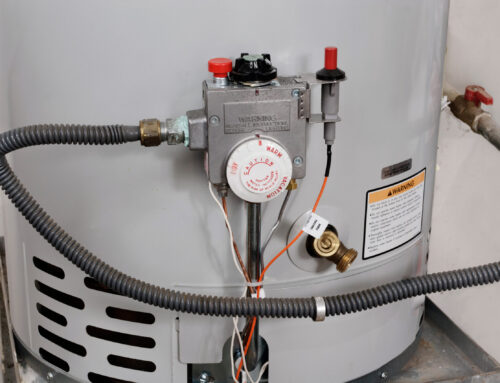
- Turn the water heater off. For gas heaters, set the control to pilot. For electric, shut off the breaker.
- Close the cold water supply to the heater.
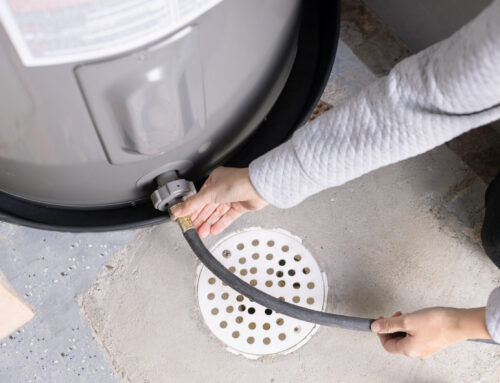
- Attach a garden hose to the drain valve and route it to a floor drain or outdoors.
- Open a nearby hot water tap to let air in, then open the drain valve. Drain several gallons until water runs clear.
- Close the drain, open the cold supply, and repeat a short flush once more if needed.
- When finished, close the drain valve, open the cold supply fully, and let the tank refill. Once water flows air-free at the open hot tap, close the tap.
- Restore power or set gas control back to normal operation.
A flush often reduces odor by removing trapped sediment. If the smell returns, go to a sanitizing step.
Sanitize the heater with hydrogen peroxide
- Turn off power or set gas to pilot, and shut off the cold supply.
- Drain 1 to 2 gallons to lower the water level below the hot outlet. This lets the solution mix better.
- Add 1 to 2 pints of 3 percent hydrogen peroxide for a typical 40 to 50 gallon tank. Do not mix chemicals. Only use peroxide for this method.
- Open the cold supply and let the tank fill. Run hot water at each tap until you smell a slight peroxide scent, then close the taps.
- Let the solution sit in the tank and lines for 2 to 4 hours. This helps kill odor-causing bacteria.
- Flush the system thoroughly until no odor remains.
- Restore power or normal gas operation.
Hydrogen peroxide is often effective and has less residual smell than chlorine bleach. If peroxide is not available, a small amount of unscented household bleach can be used, but flush very well after treatment.
Short-term heat treatment
- Raise the water heater temperature to 140 degrees Fahrenheit for 6 to 8 hours. This higher temperature can reduce bacterial growth.
- Warn family members and avoid scalds. Consider using only cold taps during the treatment window.
- After the treatment, lower the thermostat back to 120 degrees Fahrenheit for everyday safety and efficiency.
Heat treatment alone may not fix chronic odor, but it helps in combination with flushing or sanitizing.
Consider an anode rod change
Anode rods protect your tank from corrosion, but certain rods can contribute to odor. If your heater has a magnesium anode, the reaction with sulfur and soft water can create more hydrogen sulfide. Swapping to an aluminum zinc anode or a powered anode often solves persistent odor while still protecting the tank. This work may need a special socket, breaker bar, and sealing technique. If you would like a clean, fast replacement, Watertight Plumbing can handle the job and dispose of old parts properly.
Do you have a tankless water heater?
Tankless systems are less likely to have smelly hot water since there is no standing water. If you notice an odor, the cause is often biofilm in the hot lines or a scale issue at the heat exchanger. A professional flush and descaling can help. Watertight Plumbing services gas, electric, and tankless water heaters across Kenosha and Lake County.
When to call a professional
Some odor problems point to bigger issues or safety risks. Call Watertight Plumbing right away if you notice any of the following:
- Smell is strong and sudden, especially after a heater change or plumbing work
- Odor is present in both hot and cold water
- Discolored water, black flecks, or slime in multiple fixtures
- Water heater leaks, noisy operation, or frequent pilot outages
- You suspect a natural gas leak near the water heater. If you smell gas in the air around the unit, leave the area and contact your gas utility and emergency services before calling a plumber.
Watertight Plumbing offers 24 hour emergency service for Kenosha County and Lake County. Our licensed, bonded, and insured team will arrive with the tools and parts to diagnose and fix the cause of your smelly hot water fast.
What Watertight Plumbing can do for you
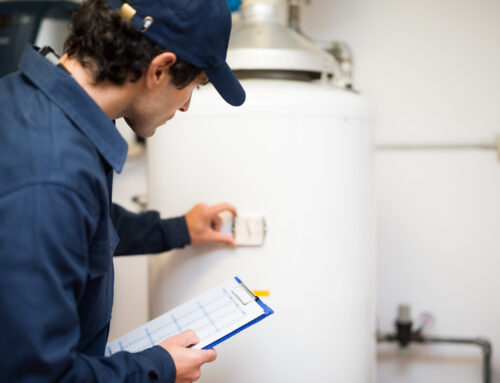
- Inspect and test your water heater, anode rod, gas control, and venting
- Flush, sanitize, and descale tanks and lines using proven methods
- Replace magnesium anodes with aluminum zinc or powered anodes to prevent odor
- Service or replace tank and tankless heaters from leading brands
- Correct cross connections or piping issues that allow bacteria to thrive
- Install whole home filters, carbon systems, or point of use solutions when needed
- For well owners, perform shock chlorination guidance, filtration recommendations, and maintenance scheduling
- Provide clear, upfront pricing and practical maintenance tips
Kenosha and Lake County water considerations
Many Kenosha residents receive treated Lake Michigan water with a stable disinfectant level. In these homes, smelly hot water usually traces back to the water heater anode reaction or tank bacteria rather than a problem with the city supply. On the other hand, many properties in Kenosha County and Lake County rely on private wells. Wells often have higher iron and sulfur content and can support odor-forming bacteria inside heaters if temperatures run low or if water sits in the tank for long periods. Seasonal changes and construction work can also stir up sediment that feeds odor issues.
Watertight Plumbing understands the local water profiles. Our technicians will tailor repairs to your home’s supply, softener settings, and heater type. Whether you live in Kenosha, Zion, Waukegan, Gurnee, Libertyville, or nearby communities, we bring local expertise to every visit.
Commercial and multi-unit properties
Gyms, salons, restaurants, and multi-family buildings have unique hot water needs. Low-flow fixtures, mixing valves, and recirculation loops can allow warm water to stagnate and produce odor. Watertight Plumbing designs maintenance plans that include heater sanitizing, recirculation balancing, and filter service. We help you protect guests and staff while keeping your systems code compliant and efficient.
Long-term prevention tips
- Flush your water heater at least once a year to remove sediment
- Schedule an anode inspection every 2 to 3 years and replace by 3 to 5 years or as needed
- Set water heater temperature at 120 degrees Fahrenheit in daily use and perform brief 140 degree treatments if odor returns
- Clean faucet aerators and showerheads twice a year
- Avoid long periods of stagnation. If leaving for a week or more, consider a quick flush when you return
- Check flexible water heater connectors and replace if corroded
- Keep water softener settings reasonable. Over-softening can worsen odor by increasing reaction with a magnesium anode
- For wells, test water regularly for iron, sulfur, and bacteria. Use filtration or treatment as recommended
- Consider a powered anode for electric and gas tanks in homes with recurring odor
FAQs about smelly hot water in Kenosha
Why does only my hot water smell bad?
When the cold water smells fine but hot water does not, the odor likely starts inside the water heater. Bacteria and a reactive anode rod can create hydrogen sulfide gas that gives off a rotten egg smell. Flushing, sanitizing, and changing the anode usually solve the problem.
Is smelly hot water safe to drink?
Hydrogen sulfide at low levels is not usually a health risk, but it can be unpleasant and may corrode plumbing over time. If you have private well water or if the odor is strong, test your water and avoid drinking it until you know what is present. Call Watertight Plumbing to investigate and guide you to a safe fix.
Will a water softener cause smelly hot water?
Not by itself, but softened water can react more with magnesium anode rods and make the odor stronger. Switching to an aluminum zinc anode or powered anode often reduces or eliminates the smell while you keep the benefits of soft water.
What if I have a tankless water heater and still smell sulfur?
It is less common, but scale buildup or biofilm in hot lines can cause odors with tankless systems. A professional flush with the right descaler and a line sanitizing method will usually clear it up.
How fast can Watertight Plumbing get here?
Our team provides 24 hour emergency service. In most cases we offer same-day appointments in Kenosha County and Lake County. We bring the right parts and tools so your hot water gets back to normal as fast as possible.
How much does it cost to fix smelly hot water?
Costs depend on the cause and the solution. A simple flush and sanitize is usually affordable. Anode rod replacements, powered anodes, or heater changes vary by model. Watertight Plumbing provides clear estimates before work begins so you can choose the best option for your home and budget.
Why homeowners trust Watertight Plumbing
Watertight Plumbing is a family-owned company with more than 30 years of local experience. Our licensed, bonded, and insured plumbers serve homes and businesses across Kenosha County, Wisconsin, and Lake County, Illinois. We show up fast, diagnose the true cause of smelly hot water, and fix it the right way. You get straight answers, clean workmanship, and long-lasting solutions.
- 24 hour emergency service for water heater failures, gas leaks, and burst pipes
- Full water heater services for gas, electric, and tankless systems
- Plumbing installation and repair for water lines, fixtures, toilets, and sump pumps
- Sewer inspections, rodding, drain cleaning, and line repairs
- Sump pump installations, repairs, and battery backup systems
- New construction and remodeling plumbing upgrades
- Local pros who know Kenosha and Lake County water conditions
Get clean, odor-free hot water now
If smelly hot water is disrupting your day, do not wait for it to get worse. Watertight Plumbing is ready to help in Kenosha, Zion, Waukegan, Gurnee, Libertyville, and nearby communities. Call (262) 484-4520 for fast service in Kenosha County or (847) 623-6810 for Lake County. We will find the cause, fix it fast, and help you prevent it from coming back.
From emergency plumbing to expert water heater services, Watertight Plumbing is your trusted partner for clean, safe, and reliable hot water year-round. Schedule your appointment today and say goodbye to smelly hot water for good.