
When Hot Water Suddenly Stopped Working, Your Business Cannot Wait
If your building’s hot water suddenly stopped working, you are not alone. Restaurants, gyms, healthcare facilities, schools, and offices all depend on reliable hot water every hour of the day. A surprise outage can halt operations, fail inspections, trigger refunds, and send customers out the door. The good news is most commercial water heaters give off clear warning signs before a total breakdown. If you can spot them early, you can protect your team, your guests, and your bottom line.
Watertight Plumbing helps businesses across Lake County, Illinois and Kenosha County, Wisconsin diagnose and resolve water heater trouble fast. Our licensed, bonded, and insured techs are available 24/7 for emergencies. Below, we explain the most common red flags that signal your commercial water heater will not make it another month without repair or replacement, what you can safely check today, and when to call our team right away.
Top Warning Signs Your Commercial Water Heater Is Near Failure
1. Hot water suddenly stopped working or comes and goes
Complete loss of hot water is the most obvious sign of a major problem. If the hot water suddenly stopped working across multiple fixtures or zones, you may have a failed heating element, gas valve, burner, ignition system, control board, or a tripped breaker. If hot water works for a few minutes, then turns cold, recovery time may be too slow due to heavy sediment, a failing thermostat, or a dip tube issue. Intermittent outages often get worse within weeks.
2. Lukewarm water or temperature swings
Water that will not reach setpoint or that surges from hot to cold indicates a failing thermostat, scaled heat exchanger, stuck mixing valve, or low gas pressure. Frequent temperature swings are a top complaint from gyms, salons, and healthcare offices and often lead to complete failure if not corrected quickly.
3. Shorter and shorter hot water runs
If showers or dish machines run hot for a short time, then go cold, the tank may be filled with sediment, reducing usable capacity. In tankless systems, scale on the heat exchanger or a dirty inlet filter can starve the unit of flow and cause shutdowns. Short runs usually mean the system is within weeks of a service call or replacement.
4. New puddles, drips, or moisture around the unit
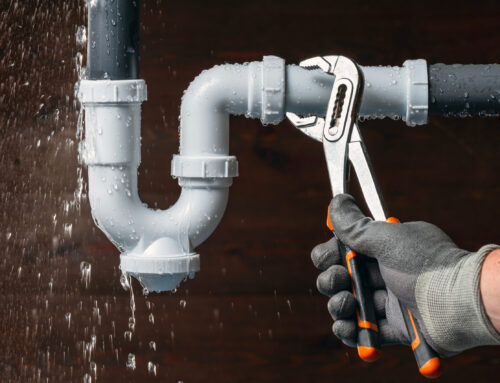
Active leaks from the tank seam, fittings, or valves are an emergency. Small drips often grow into large leaks and can lead to flooding, mold, or slip hazards. If the tank is rusted through, replacement is the only safe fix.
5. Discolored, rusty, or gritty hot water
Brown, yellow, or sandy hot water points to internal tank corrosion or heavy sediment. If discoloration appears only on the hot side, your water heater’s anode rod is likely depleted and the tank may be near failure. This problem accelerates in hard water areas.
6. Rumbling, banging, or popping sounds
Harsh noises while heating are caused by water bubbling through a thick layer of sediment on the bottom of a tank or within a heat exchanger. That extra strain can overheat metal, warp components, and crack the tank. Loud operation is a final warning before a breakdown.
7. Unexpected energy or gas bill spikes
A sudden increase in energy costs without a matching increase in usage often means your system is working overtime to overcome scale, sediment, or a failing burner or element. Efficiency drops often appear in the last 30 to 60 days before a major repair.
8. Burn or soot marks, or a chemical or metallic smell
Soot around a gas vent, scorch marks, or a sharp electrical smell are serious safety flags. Poor combustion or electrical overheating can lead to dangerous conditions. Shut the unit down and call for professional help.
9. Pilot light keeps going out, ignition errors, or tripped breakers
Repeated pilot outages or error codes on a commercial display panel signal failing sensors, gas valves, flame rods, or control boards. Electric units that trip breakers may have shorted elements or wiring issues. These problems usually escalate fast.
10. Temperature and pressure relief valve keeps releasing water
The T and P valve is a safety device. If it discharges water often, pressure imbalances, overheating, or thermostat failures may be at play. Never cap or plug this valve. Frequent discharge is a red alert.
11. Visible corrosion on pipes, nipples, or at the tank seam
Rust on the tank or around fittings means the protective anode rod is likely spent and the tank wall is being eaten away. Once a tank starts to leak from corrosion, replacement is the only reliable fix.
12. Age and missed maintenance
Most commercial tank units last 8 to 12 years under normal load. Tankless systems can last longer with proper descaling and filter changes. If your unit is past its expected life and maintenance has been irregular, plan for replacement soon, not later.
13. Hard water scaling and weak flow
Chronic hard water causes mineral scale that insulates heat transfer surfaces and restricts piping and valves. If flow is weak only on the hot side or your tankless unit shows scale warnings, you risk sudden shutdown under peak demand.
14. Frequent error codes or lockouts
Modern commercial heaters report problems through codes. Repeated lockouts point to deeper issues. If resets only buy you a day or two, the system is close to failure.
Quick Checks You Can Safely Do Today
Some simple checks can help you confirm an issue and avoid downtime while you wait for service. Do not open panels unless you are trained. If anything smells like gas or burning, skip these steps and call us now.
- Confirm power or gas supply. For electric units, check that breakers are on. For gas, confirm service is active and the gas valve is open.
- Verify setpoints and scheduling. Make sure the thermostat or control panel has not been adjusted to a low temperature or vacation mode.
- Inspect the recirculation pump. If your building relies on a recirc loop, a failed pump can make taps run cold even if the heater works.
- Look for closed isolation valves. A partially closed inlet or outlet valve will reduce flow and turn water lukewarm.
- Check for error codes. Note any displayed codes and share them with your technician when you call Watertight Plumbing.
- Observe for leaks or corrosion. If you see active leaking or heavy rust, place a bucket beneath drips and call for immediate service.
- Listen for unusual noises. Rumbling or popping indicates sediment. Avoid major flushing attempts without guidance to prevent stirring debris into lines.
- Test one fixture at a time. If only one room is cold, the issue could be a local mixing valve or clogged aerator rather than the heater.
Shut It Down and Call 24/7 If You Notice Any of These
- Smell of gas near the heater
- Burning electrical smell, sparking, or scorch marks
- Active tank leak or rapidly growing puddle
- T and P valve constantly discharging hot water
- Water temperature running dangerously hot without control
Watertight Plumbing offers emergency service day and night. Call (847) 623-6810 for Lake County or (262) 484-4520 for Kenosha County. We arrive fast with stocked trucks to diagnose and stabilize the situation.
Repair or Replace: How to Decide Fast
When the hot water suddenly stopped working, you need a plan right away. A quick decision framework helps:
- Age check. Over 10 years old for most tank units or over 15 years for tankless often favors replacement.
- Fifty percent rule. If the repair estimate is half the cost of a new system, replacement usually saves money long term.
- Operating costs. A failing unit can waste energy every hour. High efficiency replacements can often pay for themselves within a few years.
- Load growth. If your occupancy or hot water demand has grown, this is the perfect time to upsize or add redundancy.
- Downtime risk. Critical operations like healthcare, commercial kitchens, and gyms benefit from proactive replacement before peak seasons.
Watertight Plumbing provides clear pricing, side by side options, and honest recommendations. We service all major brands and install gas, electric, and tankless systems to match your building’s needs and budget.
Replacement Options We Install for Commercial Clients
- High efficiency gas storage water heaters with fast recovery
- Condensing gas models for maximum fuel savings
- Commercial electric heaters with smart controls
- Tankless rack systems for modular capacity and redundancy
- Indirect water heaters paired with boilers
- Commercial storage tanks with mixing valves for safe delivery temperatures
- Recirculation systems with smart, energy saving pumps
- Point of use heaters for remote restrooms and break rooms
- N plus one designs that keep hot water flowing during service
Our team handles permits, code compliance, seismic strapping where required, condensate management for condensing units, venting, gas sizing, and startup commissioning. We also train your staff on basic operation and maintenance.
Preventive Maintenance That Extends System Life
A basic maintenance plan can add years to your commercial water heater and reduce surprise outages.
- Monthly: Inspect for leaks, listen for noise changes, check recirculation pumps, and confirm temperature setpoints.
- Quarterly: Clean inlet screens and strainers, test mixing valve performance, and verify thermostats and sensors.
- Biannually: Flush tank sediment where applicable, check anode rods, and examine venting and combustion air paths.
- Annually: Descale tankless heat exchangers, inspect electrical connections, test T and P valve operation, and review the service log.
- Water quality: Install or service softeners or filters in hard water areas to reduce scale and protect the system.
- Safety: Keep final delivery temperature safe while meeting sanitation needs. Many commercial sites use a mixing valve to deliver about 120 while storing hotter water to prevent bacteria growth. We can calibrate this balance for your operation.
Ask Watertight Plumbing about a scheduled maintenance plan so you never have to wonder if your system will make it through the month.
Why Businesses Choose Watertight Plumbing
- Family owned with over 30 years of experience
- Licensed, bonded, and insured technicians
- 24/7 emergency response for water heater failures, gas leaks, and burst pipes
- Fast, reliable service across Lake County, IL, and Kenosha County, WI
- Full commercial plumbing services including installation, repair, sewer services, drain cleaning, and sump pump solutions
- Brand agnostic troubleshooting and replacement options
- Clear communication, up front pricing, and written warranties
- Stocked trucks and deep parts access for faster repairs
From first call to final test, Watertight Plumbing works to reduce downtime and protect your business from repeat failures.
Service Area
We serve businesses throughout Kenosha, Zion, Waukegan, Gurnee, Libertyville, Pleasant Prairie, Antioch, Round Lake, North Chicago, Grayslake, and surrounding communities. If your hot water suddenly stopped working anywhere in Lake County or Kenosha County, we are ready to help.
Frequently Asked Questions
Why has our building’s hot water suddenly stopped working?
Common causes include tripped breakers, failed heating elements, gas valve or burner problems, a dead ignition system, or a control board fault. In tankless units, a clogged inlet filter or scale buildup can cause shutdown. It can also be a recirculation pump issue or a closed valve. If the outage is building wide and resets do not hold, call Watertight Plumbing for diagnostic service.
Can we keep operating with lukewarm water?
In many industries the answer is no. Health codes often require specific temperatures for sanitation. Lukewarm water can also cause guest complaints and brand damage. Address the problem right away to avoid violations and refunds.
How long should a commercial water heater last?
Typical tank units last 8 to 12 years. Tankless models can run 15 to 20 years with regular descaling and filter maintenance. Heavy demand, hard water, and missed service shorten those ranges. If your unit is past its expected life and you have repeated issues, plan replacement to avoid unplanned downtime.
Should we switch to tankless?
Tankless systems shine when space is tight, demand is steady, or energy efficiency is a top goal. They are modular, so you can add capacity and redundancy. They do require good water quality and regular descaling. Storage tanks can be a better fit for heavy batch loads like dishwashers that need fast recovery. Watertight Plumbing will evaluate your current and future demand before recommending a path.
What should we do while waiting for service?
Post signs for staff, reduce nonessential hot water use, and isolate any known leaks with shutoff valves. Do not raise temperatures to unsafe levels to compensate. If you smell gas or see electrical scorching, shut down the unit and evacuate the area near the heater until help arrives.
When You Need Hot Water Back Fast, We Are Ready
If your hot water suddenly stopped working or any of the warning signs above sound familiar, do not wait for a full breakdown. A small leak, a new rumble, or a single error code can quickly turn into days of downtime. Call Watertight Plumbing for commercial water heater repair, replacement, or maintenance.
For immediate help, call (847) 623-6810 in Lake County or (262) 484-4520 in Kenosha County. We are standing by 24/7 to keep your business safe, compliant, and open for customers.