
Why Do Tree Roots Invade Sewer Lines
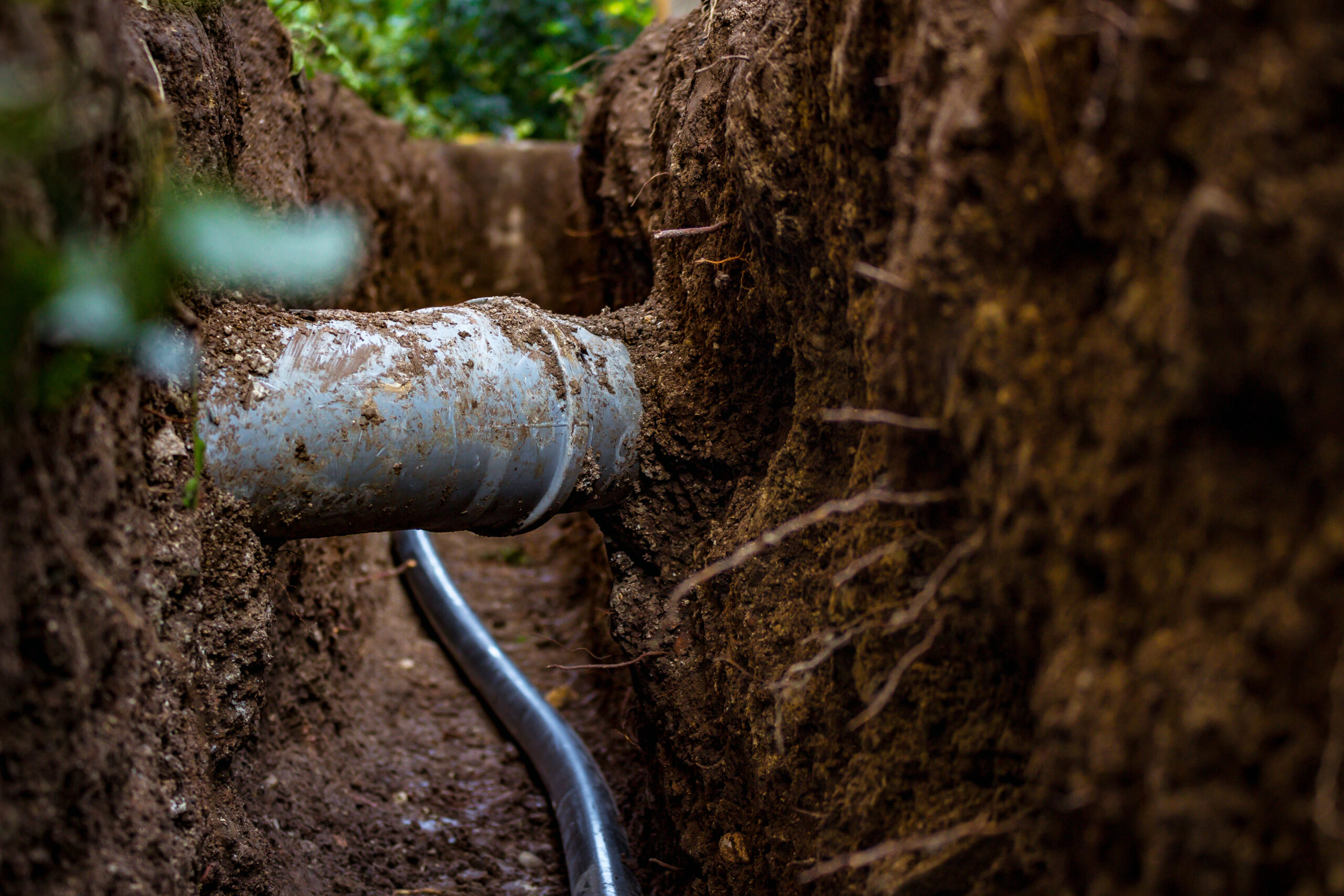
If you have mature trees near your home, their roots are always searching for moisture and nutrients. A sewer pipe is a steady source of both, especially if the line already has small cracks, loose joints, or porous sections. Once roots sense vapor from a tiny opening, they grow toward it and thread their way inside. Over time they thicken, branch out, and form a dense mat that catches grease, wipes, and debris. That is how tree roots in sewer line problems begin. Older clay or concrete lines are more vulnerable, but even PVC can be compromised if joints shift or the pipe is damaged. Seasonal changes, drought, and heavy rain can also speed up root growth as plants hunt for water.
Warning Signs You May Have Tree Roots in Sewer Line
- Slow drains across the house, especially tubs, showers, and lower-level sinks
- Toilet gurgling, bubbling, or water level changes after flushing
- Sewer odor in the basement, near floor drains, or outside near the sewer path
- Recurring clogs that return soon after plunging or snaking
- Backups at the lowest drain during laundry or heavy water use
- Lush, bright green grass or wet, sunken patches along the sewer line route
- Mysterious puddles or soft spots in the yard without visible leaks
- Increased pest activity around drains, including sewer flies
- Foundation or slab cracks paired with drainage problems
One sign alone does not confirm roots, but several together strongly suggest intrusion. If you are noticing these symptoms, schedule a professional inspection before a full blockage stops your home’s plumbing. Watertight Plumbing can quickly verify what is happening inside your line and recommend the right fix.
What Happens If You Ignore Root Intrusion
- Frequent sewer backups that damage flooring, drywall, and personal items
- Strong odors and potential health hazards from wastewater exposure
- Pipe fractures as roots expand and exert pressure on joints
- Sinkholes or yard erosion when wastewater leaks into the soil
- Higher repair costs if small cracks spread or lines collapse
- Insurance headaches if damage is deemed preventable
Tree roots in sewer line situations do not get better on their own. The longer you wait, the more likely you are to face emergency service, excavation, and days without normal plumbing. Early intervention saves money and stress.
How Pros Diagnose Tree Roots in Sewer Line
Video Camera Inspection
A sewer camera inspection is the fastest way to confirm roots. A small camera attached to a flexible cable is fed through a cleanout or pulled from a fixture drain. The camera displays real-time video that shows root growth, cracks, offset joints, and other damage. You will see exactly where the problem is and how severe it has become.
Locating and Mapping
Once a technician identifies root intrusion, a locator device maps the exact path and depth of the pipe. This helps target repairs with precision, which is critical for trenchless options or minimal excavation.
Fixture-Based Clue Gathering
An experienced plumber also reads the house. They note which fixtures clog first, when gurgling happens, and how the system behaves during heavy use. These clues help confirm whether the main line is compromised by roots or if a smaller branch line is the problem.
Why a Professional Inspection Matters
A camera inspection prevents guesswork. It confirms if tree roots in sewer line conditions are the true cause of your backups and shows what solution will last. Watertight Plumbing uses professional-grade cameras and locators to deliver clear answers and cost-effective next steps.
Repair Options For Tree Roots in Sewer Line
Mechanical Rodding and Root Cutting
Rodding uses a rotating cutting head to slice through roots and clear the line. It is a proven first step to restore flow and is often paired with a camera inspection. It is quick, effective, and budget friendly. However, cutting does not prevent regrowth, so follow-up maintenance or a long-term fix may be needed.
Hydro Jetting
Hydro jetting uses high-pressure water to scour pipe walls and flush out root fragments, grease, and scale. It cleans more thoroughly than standard snaking. Jetting is effective for many pipe materials but must be used by trained pros to protect fragile sections.
Foaming Root Treatment
Foaming root killer targets roots inside the pipe without harming the tree when used correctly. It is a good maintenance step after cutting or jetting and helps slow regrowth. Chemical treatments are not a standalone fix for severely damaged pipes, but they extend the life of a line after mechanical clearing.
Spot Repairs and Pipe Patching
When only a small section is damaged, a localized patch or point repair can seal cracks and prevent roots from reentering. This option works well when the rest of the pipe is still sound.
Trenchless Pipe Lining
Cured in place pipe lining, often called CIPP, creates a new pipe inside your existing one. A resin-saturated liner is inserted and hardened in place, sealing cracks and stopping roots. Lining is ideal for pipes that are structurally stable but leaky and root prone. It avoids large trenches and restores performance with minimal disruption.
Pipe Bursting
Pipe bursting pulls a new pipe through the old one while breaking the original apart underground. It is a strong solution for collapsed or severely damaged lines. Like lining, it requires only small access points and is less disruptive than full excavation.
Traditional Excavation and Replacement
When a line is crushed, heavily offset, or beyond repair, excavation may be the best choice. Full replacement removes the damaged section and installs a new, durable pipe. It is more invasive, but it delivers a fresh start and long service life.
How to Choose the Right Fix
- Pipe condition and material, older clay and concrete benefit from lining or replacement
- Severity of root growth, heavy intrusion often calls for lining or bursting
- Budget and timeline, cutting and jetting are quick, trenchless saves restoration costs
- Access to the line, cleanouts and property layout affect method choice
- Long-term goals, prevention of regrowth and minimal maintenance needs
Watertight Plumbing will explain each option with transparent pricing so you can choose the right balance of speed, cost, and durability.
Preventing Tree Roots in Sewer Line
Plant Smart
- Know your sewer path before planting new trees or shrubs
- Choose species with less aggressive root systems away from the line
- Plant large trees at least 20 to 30 feet from the sewer route
- Use root barriers between plantings and your sewer line when possible
Protect the Line
- Schedule regular camera inspections for older homes or properties with mature trees
- Install or upgrade cleanouts to make maintenance easier and cheaper
- Replace failing sections and poor joints before roots exploit them
- Avoid flushing wipes, feminine products, and excess paper that snag on minor roots
- Do not pour grease down drains, it binds with roots and creates stubborn clogs
- Manage yard drainage so soil does not shift and stress the pipe
Seasonal Tips for Lake County IL and Kenosha County WI
- Spring, schedule a preventive inspection after freeze-thaw cycles that can widen cracks
- Summer, conserve water during droughts to limit root hunting behavior
- Fall, clear leaves from yard drains and downspouts to reduce overloads
- Winter, watch for slow drains before deep freezes when clogs can worsen
DIY vs Professional Help
- DIY you can try a plunger or a small hand auger for minor sink clogs. Use enzyme drain treatments to maintain flow, not to solve a root blockage.
- DIY to avoid do not pour salt or random chemicals into your drains. Do not try to run rental jetters or large cutters without training. You risk pipe damage and personal injury.
- Professional advantage licensed pros use the right cutter heads, controlled jetting, and cameras to fix the root cause and prevent repeat problems.
Costs, Warranties, and Insurance
Costs vary by method and pipe condition. Mechanical cutting is often the most affordable and works well for maintenance, while hydro jetting adds deeper cleaning. Trenchless lining and bursting cost more up front but can save on yard restoration and deliver decades of service. Many standard homeowner policies exclude normal wear and root damage, though some insurers offer sewer line endorsements. Ask about warranties on lining or repairs. Watertight Plumbing provides clear estimates and explains repair life expectancy so you know exactly what you are getting.
Why Homeowners Choose Watertight Plumbing
- Local and family owned with more than 30 years of experience as Water Tight Plumbing and Sewer
- Licensed, bonded, and insured for residential and commercial work
- 24 hour emergency response for backups, burst pipes, and gas leaks
- Advanced diagnostics with HD sewer cameras and precise locators
- Full service options, cutting, jetting, chemical treatment, lining, bursting, and excavation
- Upfront pricing and honest recommendations that fit your home and budget
- Friendly, respectful technicians who protect your property and clean up after the job
- Proudly serving Kenosha, Zion, Waukegan, Gurnee, Libertyville, and surrounding communities
Whether you need a quick clear or a full replacement, Watertight Plumbing delivers reliable results and lasting solutions for tree roots in sewer line issues.
What to Expect When You Call
- Consultation a live dispatcher listens to your symptoms and books a visit, same day when possible
- Arrival your licensed technician arrives with the right tools for inspection and clearing
- Diagnosis a camera inspection pinpoints roots, cracks, and other obstructions
- Options you get clear choices, immediate clearing, maintenance plan, or long-term repair
- Repair work is completed with care, from cutting and jetting to trenchless lining
- Cleanup area is restored and you receive a summary and recommendations
- Follow up we schedule any needed maintenance to keep roots from returning
Frequently Asked Questions About Tree Roots in Sewer Line
- Do chemical root killers harm my tree When used correctly inside the pipe, foaming treatments target roots already in the line and do not kill the entire tree.
- How often should I schedule maintenance Many homes benefit from annual or semiannual clearing if roots are a recurring issue. A camera inspection helps set the right schedule.
- Can I prevent roots completely You can reduce risk by upgrading failing sections, using root barriers, and keeping aggressive species away from the sewer path.
- Is trenchless repair as durable as new pipe Quality lining and bursting methods can deliver decades of service when installed by trained professionals and matched to pipe conditions.
- Why do backups happen during laundry High flow events push debris against root mats. If the main line is restricted, lower drains back up first.
- Will homeowner insurance cover this Many policies exclude root damage. Ask your provider about sewer line coverage add-ons.
- How do I find my sewer path Watertight Plumbing can locate and map your line with specialized equipment to guide planting and repairs.
- What if my property has no cleanout We can install cleanouts to make future maintenance simpler and less costly.
- How long does trenchless lining take Most liners are installed in a day, with minimal digging and limited disruption to the yard.
- What if my pipe is collapsed A collapsed section often calls for pipe bursting or excavation and replacement. We will show you camera footage to confirm.
Related Plumbing Services That Help Protect Your Sewer
- Sewer inspections, rodding, and drain cleaning to keep the line clear
- Sump pump installation, repairs, and battery backups to manage groundwater
- Water heater repair and replacement for gas, electric, and tankless systems
- Plumbing installation and repair for water lines, fixtures, and toilets
- New construction and remodeling for compliant, long-lasting plumbing upgrades
Root intrusion often pairs with other plumbing concerns, like heavy soil moisture or aging fixtures. Watertight Plumbing can address the whole system so your home runs smoothly.
Serving Lake County IL and Kenosha County WI
Watertight Plumbing is your local resource for tree roots in sewer line inspections and repairs across Kenosha, Zion, Waukegan, Gurnee, Libertyville, and nearby communities. Our team understands local soil, seasonal conditions, and common pipe materials in the area. That local knowledge helps us diagnose problems fast and recommend solutions that hold up year after year.
Stop Roots Before They Stop Your Home
If you notice gurgling, slow drains, or wet spots in the yard, do not wait. Tree roots in sewer line problems can escalate quickly. Get a clear picture with a video inspection and take control of your options. For fast, reliable help, call Watertight Plumbing. Lake County residents call 847-623-6810. Kenosha County residents call 262-484-4520. We are available 24 hours for emergencies and ready to protect your home with dependable service and proven solutions.